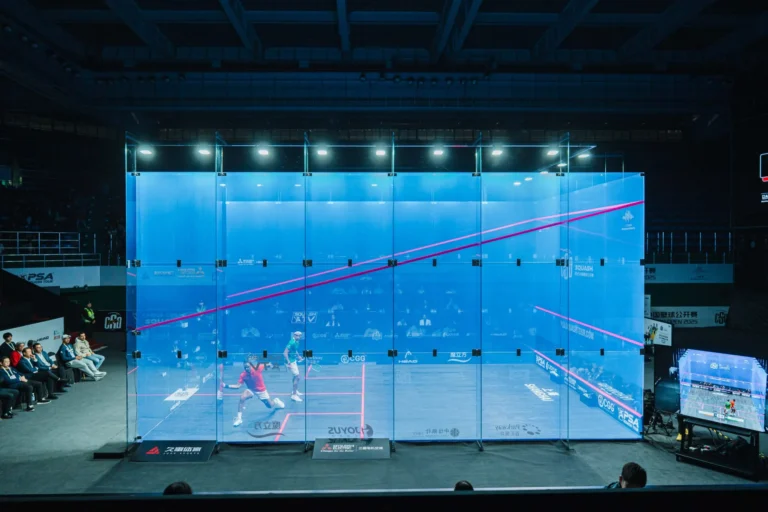
The PSA World Championship is the tournament every professional squash player measures a career against — bigger than any ranking, older than the modern tour, and the one title that turns a great player into a name in the record books. This page is the hub: the full results of the most recent edition in Giza, how the 128-player draw and its seeding actually work, and everything officially confirmed about the next edition — London, March–April 2027.
The short version
The 2026 CIB Palm Hills PSA World Championships were played in Giza, Egypt, from 8–16 May 2026. Mostafa Asal defended his men’s title, beating first-time finalist Youssef Ibrahim in straight games in the final, while 18-year-old Amina Orfi became the youngest women’s World Champion in history, defeating eight-time champion Nour El Sherbini in a 106-minute five-game final. The next edition is officially confirmed for London, England, from 27 March to 4 April 2027 — the first London staging since the inaugural championship of 1976 — with the venue still to be announced by the PSA. Both draws hold 64 players, seeded from the world rankings, with a handful of places awarded through continental qualifying events.
Last updated: October 2026 — results complete for Giza 2026; London 2027 section updated as the PSA confirms details.
On this page
The championship at a glance
Squash has staged a world championship since 1976, and the modern PSA World Championship sits alone at the top of the tour’s hierarchy — a tier above even the Platinum events, with the largest draws in the sport and prize money to match. In Giza, each of the men’s and women’s draws carried $701,500 in prize money, and the PSA billed the combined fund as almost $1.5 million. Just as importantly, the two draws are funded equally: the men’s and women’s champions are crowned on the same court, on the same night, for the same money.
Asal & Orfi
Mostafa Asal defended the men’s title in Giza for his second World Championship; Amina Orfi, 18, won the women’s title at her first attempt at a major final — both titles stayed in Egypt.
London, 27 Mar – 4 Apr 2027
The 2026-27 championship returns to London for the first time since the inaugural event of 1976. The venue had not been announced by the PSA at the time of writing — this page will carry it as soon as it is official.
64 draws, best of five
Single elimination over six rounds, every match best-of-five games, point-a-rally scoring to 11. Lose once and you are out — there is no group stage and no second chance.
The championship also anchors the squash calendar in a way no other event does. It closes the argument about who the best player in the world actually is — rankings can be argued with, a World Championship final cannot — and from 2026 it carries extra weight, because the champions crowned in Giza and London will lead the sport into its Olympic debut at LA 2028. If you want the full picture of that road, our guide to squash at the LA 2028 Olympics explains the qualification system that decides who gets there.
2026 results: the Giza championship
Results status: complete. The 2025/26 CIB Palm Hills PSA World Championships were played from 8–16 May 2026 across two Giza venues — the traditional courts of the Palm Hills Club hosted the early rounds, and the all-glass show court at the PGC Golf Central Mall staged the closing stages. Below are the verified late-round results; every scoreline is taken from the PSA’s and World Squash’s official finals and tournament reporting.
Men’s draw — the closing rounds
| Round | Match | Score |
|---|---|---|
| Semi-final | [1] Mostafa Asal (EGY) bt [3] Diego Elias (PER) | 3-1: 11-7, 6-11, 11-4, 11-2 |
| Semi-final | [7] Youssef Ibrahim (EGY) bt [4] Karim Abdel Gawad (EGY) | 3-1 |
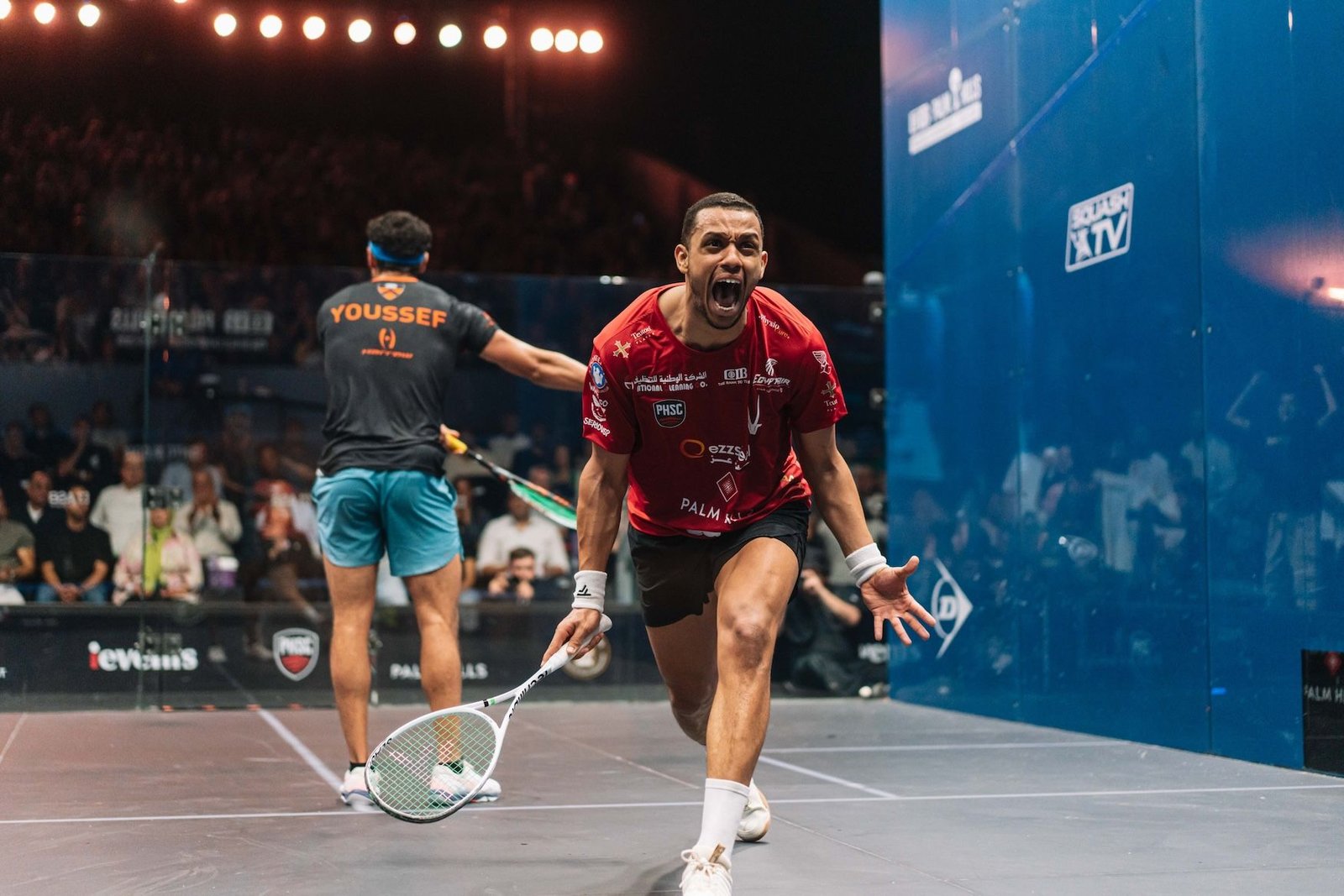
| Final | [1] Mostafa Asal (EGY) bt [7] Youssef Ibrahim (EGY) | 3-0: 11-4, 11-1, 12-10 (56 mins) |
Asal’s defence was the story the draw had pointed to all season. The World No.1 arrived in Giza having won the title in Chicago a year earlier without dropping a game, and he left with a second world title, sealed in 56 minutes against a compatriot playing the tournament of his life. Youssef Ibrahim, the No.7 seed, was the championship’s great disruptor: he beat No.2 seed Paul Coll in the quarter-finals and No.4 seed Karim Abdel Gawad in the semi-finals to reach his first World Championship final — all while facing shoulder surgery the following week. Asal was simply a level above in the final, taking the first two games for the loss of five points; Ibrahim pushed the third to 10-10 before the champion closed it 12-10. Earlier in the week, Asal had advanced from the quarter-finals when Joel Makin withdrew, while Elias ended the run of young Egyptian Mohamed Zakaria.
Context makes the defence bigger than the scoreline. Asal arrived in Giza, in the PSA’s own framing, trying to become only the third man to defend the world title since 1996 — successful defences are rare because the draw offers six chances for the season’s accumulated rivalries to land at once. He had dominated the 2025/26 season, winning five major titles among six tournament wins overall, and by the time the championship began he had not dropped a single game in a match since October 2025. Even so, the draw nearly opened up around him: Elias, the 2024 champion who had beaten Asal in that year’s final, fell in the semi-finals, and Paul Coll — the No.2 seed and the man who had faced Asal in four major finals during the season — was removed by Ibrahim in the last eight. Asal still had to beat the player who had cleared his path, on that player’s best week, in front of a home crowd that wanted a contest. Eleven-four, eleven-one, twelve-ten is what a champion’s closing statement looks like.
Women’s draw — the closing rounds
| Round | Match | Score |
|---|---|---|
| Semi-final | [3] Amina Orfi (EGY) bt [1] Hania El Hammamy (EGY) | Orfi in five (103 mins) |
| Semi-final | [2] Nour El Sherbini (EGY) bt Olivia Weaver (USA) | El Sherbini advanced |
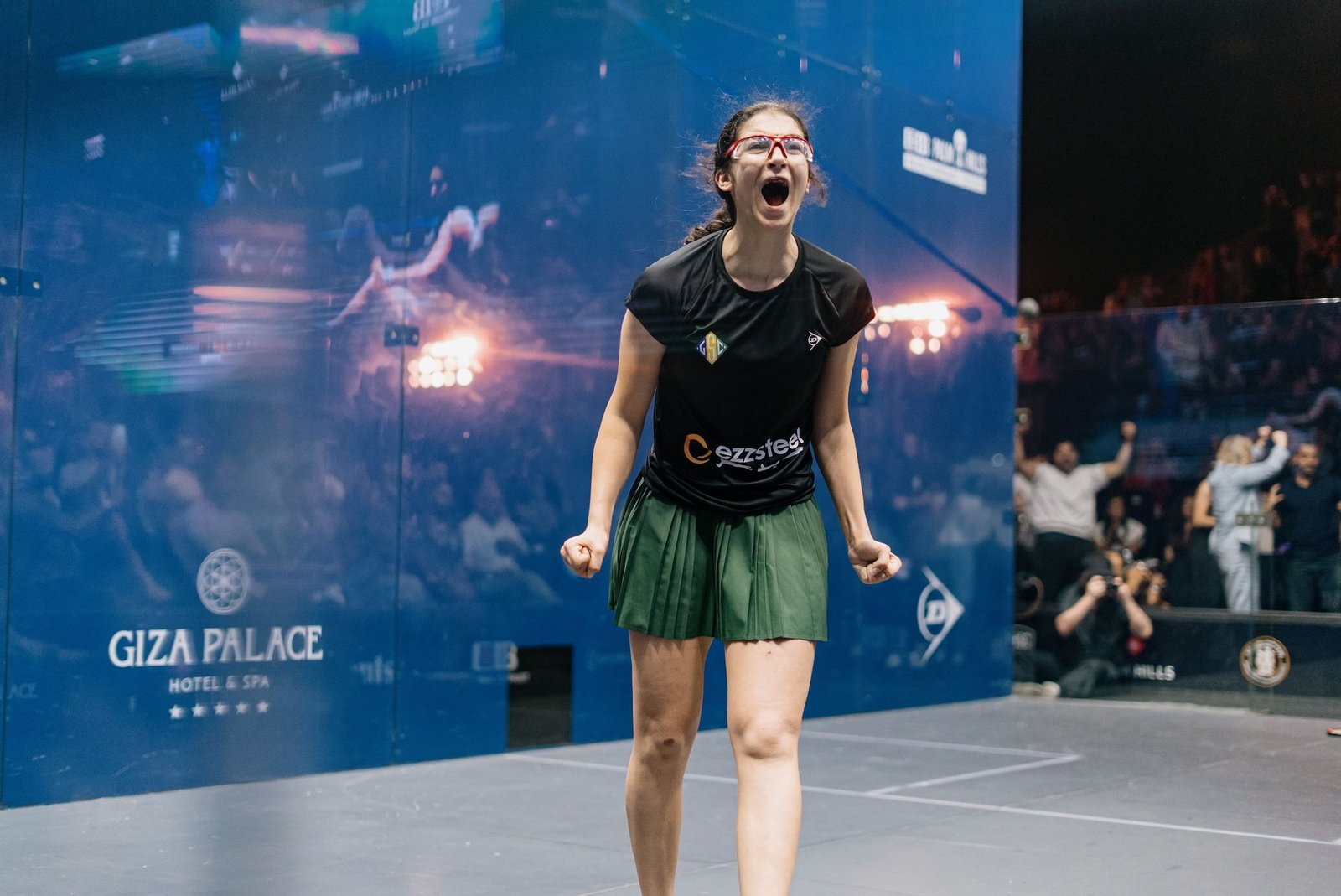
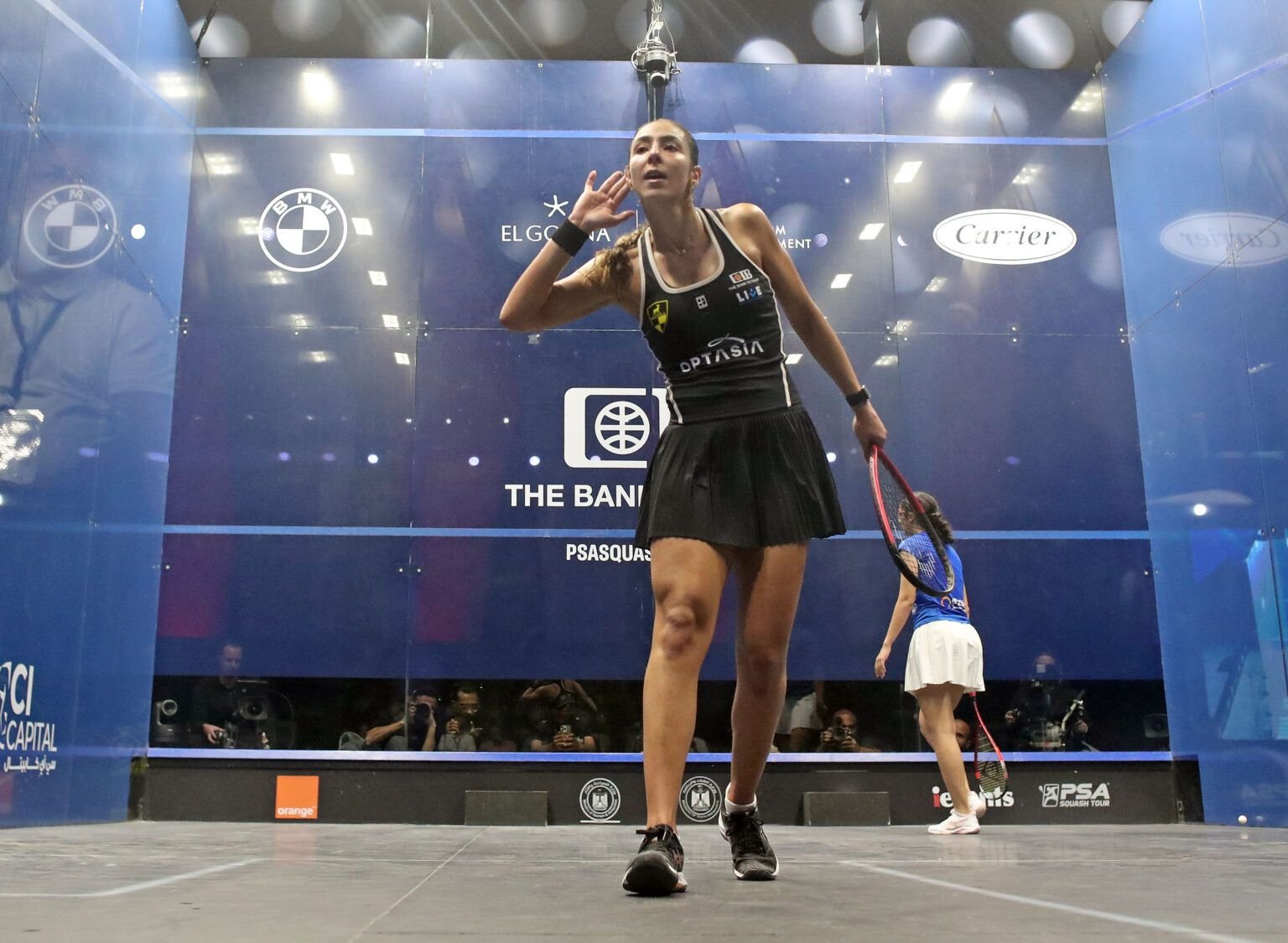
| Final | [3] Amina Orfi (EGY) bt [2] Nour El Sherbini (EGY) | 3-2: 6-11, 11-6, 11-9, 7-11, 14-12 (106 mins) |
If the men’s event confirmed a champion, the women’s event created one. Amina Orfi was 18 years and 10 months old when she walked onto the glass court for the final, facing Nour El Sherbini — the eight-time champion who was one win from a record-breaking ninth title, clear of Nicol David in the all-time list. Orfi had already beaten World No.1 Hania El Hammamy in a 103-minute semi-final; the final went longer still. At 106 minutes it became the longest women’s World Championship match ever played under point-a-rally scoring to 11, and Orfi saved two championship balls in the deciding game before taking it 14-12. She is the youngest women’s World Champion in history — eclipsing El Sherbini herself — and the first woman ever to hold the World Junior Championship and the PSA World Championship at the same time. El Sherbini’s wait for title number nine goes on; the quarter-final line-up behind them (Sivasangari Subramaniam, Salma Hany, Georgina Kennedy and Satomi Watanabe) underlined how deep the women’s field now runs.
The field Orfi beat is worth spelling out, because it was close to the strongest the women’s game has fielded. El Hammamy arrived as World No.1 and the form player of the season, with five major titles — the Egyptian Open, Qatar Classic, U.S. Open, Tournament of Champions and El Gouna International — and a 92% win rate for the campaign. El Sherbini brought eight world titles and a decade of finals. The one giant missing was Nouran Gohar, the 2024 champion, who did not play Giza after announcing her pregnancy. Orfi’s own season had been one of near misses against exactly these players, which is why she spoke afterwards about having “the least pressure” of the three Egyptians in the final rounds. Two matches, 209 minutes of semi-final and final squash, later, the teenager had beaten the World No.1 and the eight-time champion back to back — a changing-of-the-guard result the sport will be citing for years.
How the championship works
The format is deliberately unforgiving. Each draw — men’s and women’s — holds 64 players in a straight single-elimination bracket: a round of 64, round of 32, round of 16, quarter-finals, semi-finals and a final. Six wins, in the space of nine days, make a world champion. Every match is best-of-five games, played under point-a-rally scoring: every rally scores, games are won at 11 points with a two-point margin required at 10-all, so a game can run to 12-10, 14-12 and beyond — exactly as the 2026 women’s final did.
| Element | How it works |
|---|---|
| Draw size | 64 men + 64 women (128 players in total) |
| Rounds | Six: R64, R32, R16, quarter-finals, semi-finals, final |
| Match format | Best-of-five games, point-a-rally to 11, two clear points at 10-all |
| Courts | Early rounds on club courts; closing rounds on an all-glass show court |
| Prize money (Giza 2026) | $701,500 per draw, equal for men and women |
| Watch | Live on SQUASHTV and the PSA’s broadcast partners |
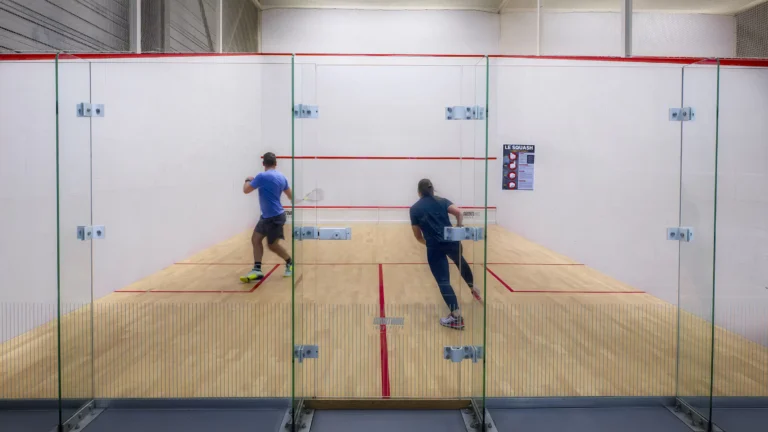
The two-venue model is now standard for the championship’s early days. A 64-draw means 32 first-round matches per event, far more than a single show court can hold, so the opening rounds spread across a host club’s conventional courts — in Giza, five courts at the Palm Hills Club — before the tournament converges on the glass court for the rounds that decide the title. The glass court is not a gimmick: its walls are transparent on all four sides, the ball is tracked against a dark backdrop, and the crowd sits wrapped around the action, which is why the championship’s late rounds look and sound different from any club match. If you have never watched the game at this level, our how to play squash guide covers the rules, scoring and shot shapes that make the glass-court game readable.
Seeding & qualification
There is no open qualifying draw of the kind tennis uses for its Grand Slams, and no invitation list. Places in the 64 are earned in two ways:
Entry by world ranking
The overwhelming majority of each draw enters directly on PSA World Ranking. When entries close, the field is set by ranking order, and the draw is then seeded from those same rankings: the top seeds are placed in separate sections of the bracket so the highest-ranked players cannot meet until the closing rounds, with the No.1 and No.2 seeds anchored at opposite ends — on course to meet only in the final. Giza showed the system working exactly as designed in the men’s event, where No.1 seed Asal and the draw produced a final against the No.7 seed only because Ibrahim beat the No.2 and No.4 seeds himself. It also showed seeding’s limits in the women’s event: No.3 seed Orfi beat No.1 seed El Hammamy in the semi-finals and No.2 seed El Sherbini in the final. Seedings predict; they do not protect.
Continental qualifying events
A small number of main-draw places are reserved for winners of continental qualifying tournaments, one route per region, so the championship field is not closed to players whose ranking has not yet caught up with their level. The verified qualifiers for Giza 2026 were:
| Qualifying event | Women’s qualifier | Men’s qualifier |
|---|---|---|
| Africa (Cairo, Egypt) | Ruqayya Salem (EGY) | Adam Hawal (EGY) |
| Europe (Pontefract, England) | Hannah Craig (IRL) | Sam Osborne-Wylde (ENG) |
| Pan America (St Louis, USA) | Caroline Fouts (USA) | Jeremias Azaña (ARG) |
The route matters beyond the places themselves. Two Egyptian teenagers, Adam Hawal and Ruqayya Salem, won the African qualifying event in Cairo to take their places in a home World Championship — the kind of first chapter this system exists to create, and a reminder that the championship’s future stars often appear in the draw a year or two before the rankings notice them.
The ranking route has its own quiet deadline drama. Because the field freezes on ranking at entry, the last direct places and the bottom band of seedings are settled by form in the weeks before the championship — a strong run at a spring tour event can pull a player into the draw or into a kinder section of it, and a poor one can leave a top-32 player unseeded and exposed to a top seed in the second round. It is why the published draw, when it lands, is worth reading closely rather than skimming for the top seeds: the most dangerous names in the first week are often the unseeded ones whose ranking dipped at the wrong moment, and Giza’s draw — which put the eventual finalist Ibrahim in the No.2 seed’s quarter — showed how quickly those sections can blow open.
Recent champions: the last three editions
| Edition | Venue | Men’s champion | Women’s champion |
|---|---|---|---|
| 2023/24 | Giza, Egypt | Diego Elias (PER) | Nouran Gohar (EGY) |
| 2024/25 | Chicago, USA | Mostafa Asal (EGY) | Nour El Sherbini (EGY) |
| 2025/26 | Giza, Egypt | Mostafa Asal (EGY) | Amina Orfi (EGY) |
Fifty years of hosts
The championship’s geography tells the sport’s story. It began in London in 1976, spent decades moving between the game’s strongholds, and in the modern era has settled into a rotation of showcase cities: Chicago staged four editions (2019, 2021, 2023 and 2025) and became, for a while, the championship’s second home — El Sherbini won all four of them — while Egypt, the sport’s current superpower, has hosted repeatedly in Cairo and Giza. Manchester 2017 was Europe’s most recent turn before London 2027, which is why the PSA is treating the return to the capital not as another stop but as a statement edition: fifty years on, the championship goes back to where it started, with its two defending champions both Egyptian, its women’s game in the middle of a generational handover, and an Olympic debut sixteen months ahead of it on the calendar.
The Chicago edition of May 2025 is the benchmark the Giza results should be read against. Played at Lakeshore Sport & Fitness from 9–18 May 2025, with $1,313,000 in total player compensation split equally between the two events, it produced a pair of performances that framed everything that followed. Asal beat four-time champion Ali Farag 11-7, 11-8, 11-3 in the final and did not drop a single game all tournament — the first man to sweep a World Championship without losing a game since Jahangir Khan in 1988. El Sherbini beat Hania El Hammamy in four games for her eighth world title, equalling Nicol David’s all-time women’s record, in her tenth successive World Championship final. A year later in Giza, Asal kept his crown and El Sherbini finally fell one match short of breaking the record — beaten by a teenager who grew up watching her. That is the championship’s rhythm: eras do not end by announcement, they end on the glass court, in a fifth game, at 14-12.
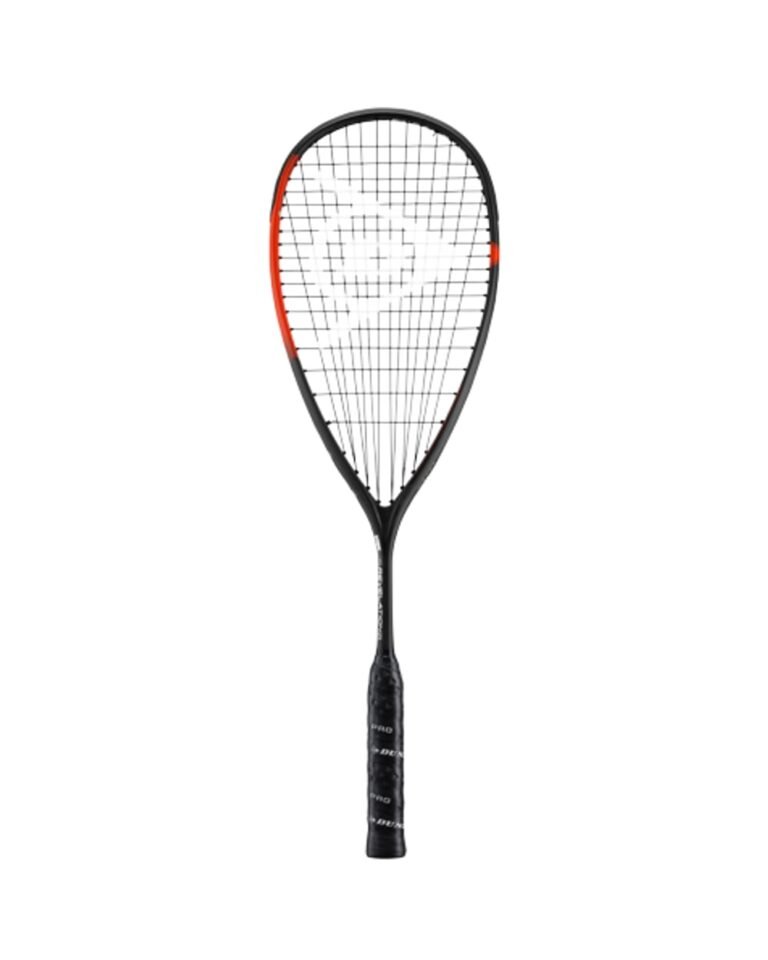
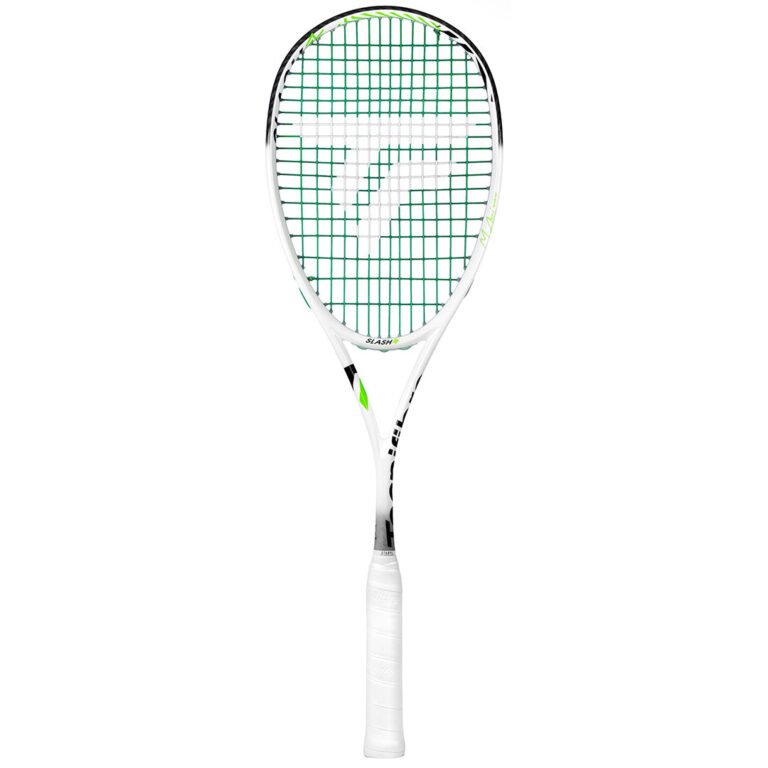
The equipment thread runs through all of it: the frames the champions and challengers actually play with are broken down in our guide to what squash racket the pros use — while if the championship has you thinking about your own first racket rather than theirs, start with the best squash rackets for beginners instead.
Next edition: London 2027
The PSA has officially confirmed that the 2026-27 PSA World Championships will be held in London, England, from 27 March to 4 April 2027. It is a homecoming with real historical weight: London staged the inaugural World Championships in 1976, and the event has not been back in the capital since. It is also the championship’s first European staging for a decade — Manchester 2017, won by Mohamed ElShorbagy and Raneem El Welily, was the last. Asal and Orfi will arrive as defending champions, and 128 of the world’s leading players will contest the two 64 draws.

What fans can do now is register their interest in tickets through the PSA’s official channels, which the association opened alongside the announcement — London’s existing tour events, the London Classic at Alexandra Palace and the Optasia Championships in Wimbledon, both sell on the strength of the city’s squash audience, and a World Championship’s nine days of glass-court sessions will be the biggest ticket the sport has offered in England. When the venue lands, expect the familiar two-stage pattern: club courts absorbing the 64 first-round matches, and a glass show court built for the closing rounds.
How to follow it from the UAE
Your World Championship watchlist
Watch live on SQUASHTV. Every edition of the championship is streamed live on SQUASHTV, the PSA’s own platform, alongside the tour’s broadcast partners — it is the complete way to follow the event from the UAE, with every glass-court match live and on replay. That replay function matters for London 2027: London sessions run three to four hours behind UAE time that week, so evening sessions in London finish late at night in the Emirates, and the morning-after replay is how most UAE fans will watch the early rounds. Giza 2026, by contrast, sat close to Gulf time, and its evening finals landed at a friendly hour for UAE viewers.
Draws and results live on the PSA site. The official draws, the order of play and the confirmed results are published on psasquashtour.com, with the championship’s dedicated site at worldsquashchamps.com carrying the news coverage around them. The London draw will appear on those channels close to the event — this page’s London section carries a dated update stamp and will link the draw as soon as it is official.
The dates to hold. London: 27 March – 4 April 2027. Before that, the 2026-27 season’s major events on SQUASHTV are the form guide — the players who arrive in London in championship form will show it there first. And keep one eye on the bigger arc: the London champions will defend their titles in the season squash becomes an Olympic sport, with the LA28 tournament running 15–24 July 2028.
The championship, in one paragraph
One tournament outranks them all. The PSA World Championship puts 128 of the best players on earth through six best-of-five rounds in nine days, pays its men’s and women’s draws equally, and produces the two names a squash season is remembered by. In Giza in May 2026 those names were Mostafa Asal — champion again, in straight games — and Amina Orfi, who at 18 became the youngest women’s champion in history in the longest final the modern format has seen. Next, the whole theatre moves to London for the first time in half a century.
- Last edition: Giza, Egypt — 8–16 May 2026, Palm Hills Club & Golf Central Mall.
- Champions: Mostafa Asal (2nd title) and Amina Orfi (1st title, aged 18).
- Next edition: London, England — 27 March – 4 April 2027; venue to be confirmed.
- The format: 64-player draws, single elimination, best-of-five games to 11.
PSA World Championship — FAQs
When is the next PSA World Championship?
The next edition is the 2026-27 PSA World Championships in London, England, from 27 March to 4 April 2027, officially confirmed by the PSA. The venue has not yet been announced — the PSA said it would be confirmed after the announcement, and this page will be updated as soon as it is official.
Who won the 2026 PSA World Championship?
Mostafa Asal won the men’s title, beating Youssef Ibrahim 11-4, 11-1, 12-10 in the Giza final for his second World Championship. Amina Orfi won the women’s title, beating Nour El Sherbini 6-11, 11-6, 11-9, 7-11, 14-12 — at 18 years and 10 months, she became the youngest women’s World Champion in history.
Where was the 2026 PSA World Championship held?
In Giza, Egypt, from 8 to 16 May 2026. Early rounds were played at the Palm Hills Club and the closing rounds on the all-glass show court at the PGC Golf Central Mall. The full event name was the CIB Palm Hills PSA World Championships.
How many players are in the PSA World Championship draw?
128 players in total: a 64-player men’s draw and a 64-player women’s draw. Each draw is single elimination over six rounds — round of 64, round of 32, round of 16, quarter-finals, semi-finals and final — so the champion wins six matches in nine days.
What format are PSA World Championship matches played in?
Every match is best-of-five games under point-a-rally scoring: games are played to 11 points, and at 10-all a player must lead by two points, so games can extend to 12-10, 14-12 or beyond. The 2026 women’s final lasted 106 minutes — the longest women’s World Championship match under this format.
How does seeding work at the World Championship?
The draws are seeded from the PSA World Rankings. The highest-ranked players are placed in separate sections of the bracket so they cannot meet until the later rounds, with the No.1 and No.2 seeds at opposite ends of the draw. In Giza, the men’s top seed was Mostafa Asal and the women’s top seed was World No.1 Hania El Hammamy.
How do players qualify for the PSA World Championship?
Most places in each 64 draw are filled directly by PSA World Ranking when entries close. A small number of places are awarded to the winners of continental qualifying events — for Giza 2026, the African qualifiers in Cairo, the European qualifiers at Pontefract in England and the Pan American qualifiers in St Louis, USA, each sent one man and one woman into the main draws.
How can I watch the PSA World Championship in the UAE?
Live on SQUASHTV, the PSA’s streaming platform, which carries the championship alongside the tour’s broadcast partners, with matches also available on replay. Draws, the order of play and official results are published on psasquashtour.com and worldsquashchamps.com. For London 2027, note that London runs three to four hours behind UAE time, so evening sessions finish late at night in the Emirates.
About this hub: Every date, result, scoreline and figure on this page is taken from the PSA Squash Tour (psasquashtour.com), World Squash (worldsquash.sport) and the championship’s official site (worldsquashchamps.com), checked in October 2026. Where an official detail is still outstanding — the London 2027 venue, draw and ticket prices — this page says so rather than guessing, and the relevant section is re-stamped each time the PSA confirms new information. This page links only to guides on Alishuttler.com.