
Every padel rule that matters — scoring, the serve, wall play, faults, lets, and court specs — translated from the official International Padel Federation rulebook into plain, court-ready language.

⚡ TL;DR — Padel Rules in 60 Seconds
- Format: almost always doubles (2 vs 2) on an enclosed 20 m × 10 m court with glass walls and mesh.
- Scoring: same as tennis — 15, 30, 40, game. Six games win a set; best of three sets wins the match.
- At 40–40: the format decides — classic advantage, a golden point (one sudden-death point), or the 2026 Star Point (up to two advantages, then one deciding point). Agree the format before you play.
- Serve: underhand, ball bounced first, struck at or below waist height, diagonally into the opposite service box. Two serves per point.
- Walls: after the ball bounces on the floor, it can rebound off the glass and stay in play — this is the soul of padel.
- Faults: double bounce, hitting the mesh directly, touching the net while the ball is live, and volleying the return of serve all lose the point.
- Wrist strap: mandatory. If it breaks or you drop the racket mid-point, you lose the point.
What This Guide Covers
Padel looks like tennis in a glass box, and in many ways it is — but the walls, the underhand serve, and the deuce formats create a rulebook with real quirks. Play with the wrong understanding of the serve or the Star Point and you will argue about points every week.
This guide is built directly from the International Padel Federation (FIP) Rules of Padel, including the revised edition that took effect on 1 January 2026. Where the FIP gives tournament organizers a choice (like the three deuce formats), we say so — because knowing which format your club uses is half the battle.
How Padel Scoring Works
Padel scoring is identical to tennis scoring. If you can count a tennis game, you can count padel. Each rally won moves the serving team’s score up the ladder:
| Points won | Score called |
|---|---|
| 0 | Love |
| 1 | 15 |
| 2 | 30 |
| 3 | 40 |
| 4th point (format decides) | Game |
The score is always called with the server’s score first. So “30–15” means the serving team has 30 and the receiving team has 15. When both teams have won three points each (40–40), the call is “deuce” — and what happens next depends on the format, covered in the next section.
Games, Sets, and Matches
- Game: won by the first team to take four points, subject to the deuce format in use (more below).
- Set: the first team to win 6 games with a 2-game margin takes the set. If the set reaches 5–5, play continues — 7–5 wins it. If it reaches 6–6, a tiebreak decides the set.
- Tiebreak: first to 7 points with a 2-point margin. The serving order in a tiebreak is specific: one serve from the right side of the court, then two serves each, starting from the left — and players change ends every 6 points. If the wrong order or the wrong end is used, it is corrected as soon as the mistake is discovered, and all points already played stand.
- Match: the best of three sets — the first team to win two sets wins the match.
- Change of ends: players change sides after every odd-numbered game (1, 3, 5, …), with up to 90 seconds of rest between games. Play must otherwise be continuous, with no more than 20 seconds between points.
Deuce Formats: Advantage, Golden Point & Star Point
This is where padel gets interesting — and where most club arguments start. The 2026 FIP rulebook officially recognizes three ways to decide a game that reaches 40–40. Tournament organizers choose the format before the event, so agree on it before a social match too.
Option 1 — Classic Advantage
The traditional format. At deuce, the next point won is called “advantage” for that team. If the same team wins the following point, they win the game. If they lose it, the score returns to deuce — and this can repeat indefinitely until one team wins two consecutive points.
Option 2 — Golden Point (No Advantage)
At deuce, a single sudden-death point decides the game — no advantages at all. The receiving pair chooses whether to receive the serve on the right or the left side of the court, and the receivers may not change positions to receive the deciding point. In mixed matches, the receiving player must be the same sex as the server. Whoever wins the golden point wins the game. This format is mandatory on the FIP Tour and is the most common choice at club level because it keeps sessions moving.
Option 3 — Star Point (New for 2026)
The FIP General Assembly approved this format in November 2025 for the 2026 season, and it is used on the Premier Padel circuit and the CUPRA FIP Tour. It works like this:
- At deuce (“deuce 1”), the next point won is called “advantage 1”. If the same pair wins the following point, they win the game; if they lose it, the score returns to “deuce 2”.
- At deuce 2, the next point won is “advantage 2” — same deal: win the next point and take the game, lose it and the score returns to “deuce 3”.
- At deuce 3, a single deciding point called the “Star Point” is played. As with the golden point, the receiving pair chooses which side to receive from, the receivers cannot change positions, and in mixed matches the receiver must be the same sex as the server. The winner of the Star Point wins the game.
In short: each team gets a maximum of two advantages per game — then one deciding point settles it. It keeps the drama of deuce battles while capping how long a single game can drag on.
The Serve: Step-by-Step Rules
The padel serve is underhand and deliberate — the FIP rules describe it in precise detail, and the 2026 edition changed two things about it. Here is the full sequence, straight from Rule 6 of the FIP rulebook:

- Starting position: at the start of the service, the server stands with one foot behind the service line, between the imaginary extension of the central service line and the side wall (the service box), and must stay there until the ball has been served. 2026 change: this previously required both feet.
- Bounce it first: the server must bounce the ball on the ground within the corresponding service box before striking it. The ball may not cross the service line or its imaginary extension in the air before the moment of contact. 2026 change: the full flight path before contact is now judged — crossing the imaginary line is a fault even if the bounce itself lands in the box.
- Keep off the lines: the server’s feet may not touch the service line, the imaginary central line, or their extensions during the serve.
- Below the waist: the ball must be struck at or below waist height, with at least one foot in contact with the ground. No walking, running, or jumping into the serve (small foot movements that don’t change the stance are accepted).
- Diagonal and alternating: the first serve of each game comes from the right side of the court, diagonally over the net into the receiver’s box (the box on the receiver’s left). Sides alternate with every point. The ball must bounce within the lines of the service box — lines count as in.
- Contact counts: the moment the racket makes contact with the ball — or an intentional attempt is made to hit it — counts as the serve. Swing and miss the ball completely, and that serve is used up.
- Wrong side: if a serve goes from the wrong side by mistake, it is corrected as soon as the error is noticed. All points already won stand, but a fault committed on the first serve still counts.
- Fixed order: before each set, the team decides who serves first; the service and receiving orders cannot change until the next set.
Service Faults & Lets
What Counts as a Service Fault
Each of these costs you the serve — fault on the first, and you move to your second serve from the same side, taken immediately:
- Any violation of the serve mechanics above (stance, waist height, foot faults, walking into the serve).
- The ball’s flight path crosses the service line or its imaginary extension in the air before contact (2026 rule).
- Missing the ball completely while attempting to strike it.
- The ball lands outside the receiver’s service box (lines are in).
- The serve hits the server’s own partner.
- After the first bounce in the box, the served ball touches the metal mesh fencing directly. (If it touches the glass back wall after the first bounce, the serve is still live — glass is forgiving, mesh is not.)
- Taking more than 20 seconds to serve — actively enforced in sanctioned play from 2026.
What Is a Let? (Replay the Point)
A let stops the point and replays it with no penalty. In padel, a let is called when:
- The serve touches the net cord and then lands correctly in the service box.
- The receiver was not ready and made no attempt to return.
- The ball breaks during the point.
- Play is interrupted by something beyond the players’ control — a stray ball from another court, a sudden hazard, a light failure.
- A player is disturbed by something outside their control (not the court itself and not their partner) — the point is replayed.
One firm line: deliberate disturbance — shouting, waving, or any intentional distraction — is not a let. The point goes to the opponents.
Court Dimensions & Equipment Specs
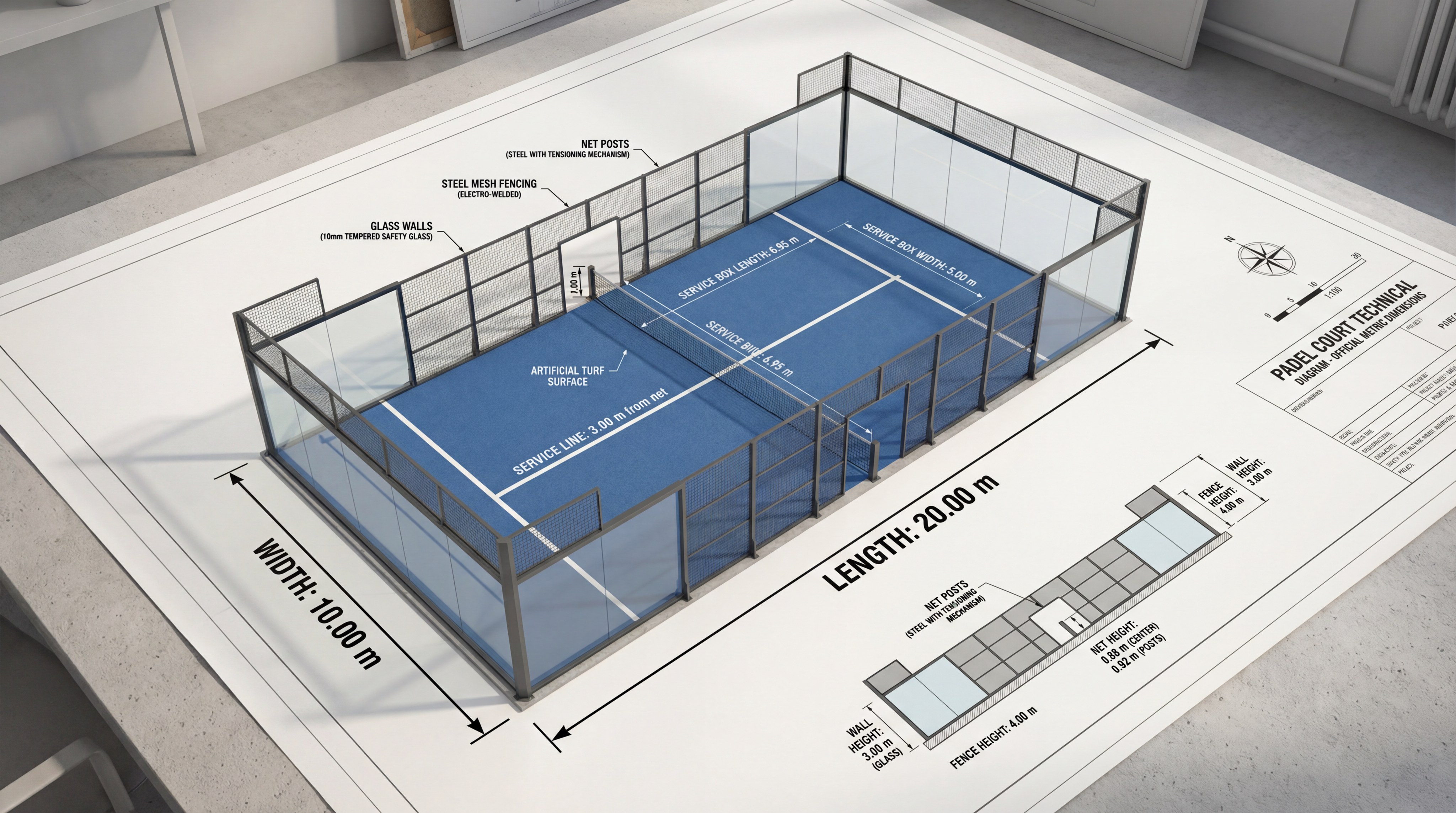
The Court
- Size: a rectangle 20 m long × 10 m wide (interior measurements, 0.5% tolerance) — about a third the size of a tennis court.
- Net: divides the court into two equal halves; 88 cm high at the center, 92 cm at the posts.
- Service lines: run parallel to the net at 6.95 m from it on each side, creating the service boxes. A central service line bisects the area between net and service line and extends at least 20 cm beyond the service line. All lines are 5 cm wide, preferably white or black.
- Walls: the back walls are 3 m-high glass panels (2 m-wide panels) with an additional 1 m of mesh above them; that extra mesh metre extends 2 m along each side wall from the corners. So the back walls and the corner sections reach 4 m in total, while the remaining side walls stand 3 m. The rest of the sides are metal mesh panels.
- Clear height: a minimum of 6 m of unobstructed space above the whole court (no lights or fixtures intruding); 8 m is recommended for new builds.
- Exit doors: courts have 2 exit doors per side (0.72–0.82 m wide, minimum 2 m tall). From 2026, new builds require a minimum safety zone of 3 m wide × 4 m long outside the court.
The Racket
- Maximum dimensions: 45.5 cm long, 26 cm wide, 38 mm thick — solid face (no strings) with a perforated hitting surface.
- Wrist strap: a non-elastic safety cord, maximum 35 cm, fixed into the handle — its use is obligatory. From 2026, if the cord breaks, detaches, or you drop the racket during a point, you lose the point.
- No electronics: the racket may not carry any device that communicates, signals, or gives instructions during play — batteries and similar power sources are prohibited.
- Shapes: rackets come in round (control), teardrop (balanced), and diamond (power) head shapes. Beginners are generally steered toward round, control-oriented frames — easier to keep the ball in play while the walls are still a mystery.
The Balls
Padel balls look like tennis balls but are built to FIP specification at slightly lower internal pressure, which makes them a touch slower and livelier off the glass. Use proper padel balls — tennis balls bounce differently and feel wrong off the walls. In tournaments, ball changes follow the event’s regulations (commonly by round or after a set number of games); a lost or damaged ball is replaced with one in similar condition.
Playing Off the Walls & Glass
The walls are what make padel padel. Here is exactly what is legal:
✅ Legal Wall Play
- After the ball bounces on your opponent’s side, it may rebound off their glass walls and stay in play — play it off the glass like a teammate.
- You may play the ball off your own glass to send it back over the net (never on the serve itself).
- After landing in, the ball may travel out over the top of the enclosure or strike objects like the roof or lights on the opponents’ side — still in play.
- Players may leave the court through the side gates to chase down balls, provided the facility’s safety dimensions allow it — the source of padel’s most spectacular gets.
- A return that touches the net or posts and then lands in is perfectly good.
⌠Illegal Wall Play
- The ball hits your opponents’ wall or mesh before bouncing on their side — out, you lose the point.
- The ball hits your own fence/mesh on your shot — your fault.
- The served ball touches a wall or the mesh before bouncing in the box — service fault.
- After the serve’s first bounce, the ball touches the metal mesh directly — fault (glass is fine).
- The ball strikes the ceiling, lights, or fixtures on your side before landing in — out.
Volleys are allowed at any time except on the return of serve — the return must bounce first. This single rule is what prevents serve-and-volley domination and gives every rally its shape.
Ways to Lose a Point
Beyond the wall rules above, a team loses the point when any of these happen while the ball is live:
- The ball bounces twice on your side before you return it.
- The ball hits you, your partner, or your clothing/gear.
- You or your racket touches the net or crosses onto the opponents’ side while the ball is live.
- You volley the return of serve (it must bounce first).
- You hit the ball twice in one stroke, or both partners strike the ball on the same shot.
- Your racket crosses the net before the ball does on a shot.
- Your wrist cord breaks or detaches, or you drop the racket, during the point (2026 rule).
- You deliberately disturb an opponent — shouting or waving to put them off.
9 Beginner Mistakes (and the Fix)
1. Treating the walls as out of bounds
The mistake: new players watch a ball sail past them toward the glass and switch off. The fix: in padel, the glass is your second chance. Let the ball rebound, step back, and play it after the bounce — defending off the back glass is a core padel skill, not a bailout.
2. Serving overhand like tennis
The mistake: tennis converts toss high and smash the serve. The fix: the serve must be underhand with contact at or below waist height, after a bounce. Groove a simple, repeatable underhand motion instead.
3. Standing too close to return serve
The mistake: crowding the service line and getting jammed. The fix: the return must bounce before you hit it and can’t be volleyed — give the ball room, stand a step or two back, and let it come to you (or off the glass).
4. Volleying the return of serve
The mistake: net players poach the return out of the air. The fix: it’s an automatic lost point. Drill the habit: on every return of serve, feet stay planted until the bounce.
5. Skipping the wrist strap
The mistake: playing without the strap because it feels restrictive. The fix: it’s mandatory for safety — and since 2026, a broken or detached cord (or a dropped racket) during a point loses you the point. Wear it every rally.
6. Smashing everything
The mistake: treating every short ball as a winner. The fix: hard shots rebound off the glass and come back. Use the lob to reset, place the ball, and attack only when the opponents are genuinely out of position.
7. Not agreeing the deuce format
The mistake: reaching 40–40 and arguing about golden point vs. advantage. The fix: agree the format — advantage, golden point, or Star Point — before the first serve. Thirty seconds of clarity saves weekly arguments.
8. Reaching over the net
The mistake: stretching the racket across the net to intercept. The fix: if your racket crosses the net before the ball does while the ball is live, you lose the point. Let the ball come to your side.
9. Serving before the receiver is ready
The mistake: quick-serving to catch opponents cold. The fix: the rules require the receiver to be ready — an unready, passive receiver earns a replayed point, not a cheap win. Wait for the nod.
Rule-Friendly Beginner Gear
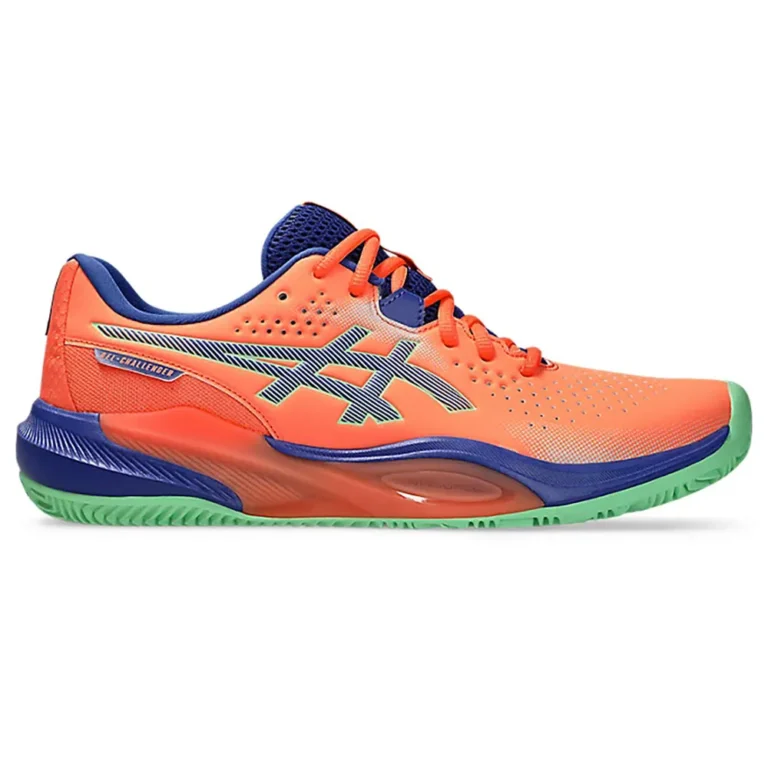
You don’t need tour equipment to play by the rules — but you do need a rule-compliant racket (with wrist strap), proper padel balls, and shoes that handle lateral slides on turf. These starter picks cover the essentials:
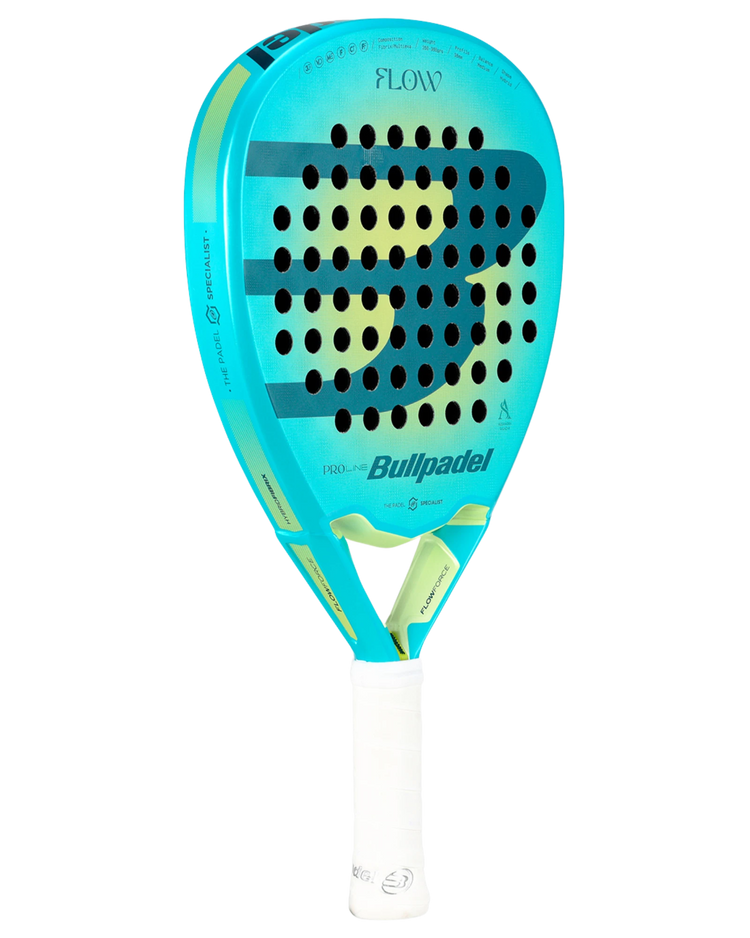
Round Control Racket (Beginner)
- Round head shape — most forgiving for new players
- Comes with mandatory wrist strap
- FIP-legal dimensions (45.5 cm max)
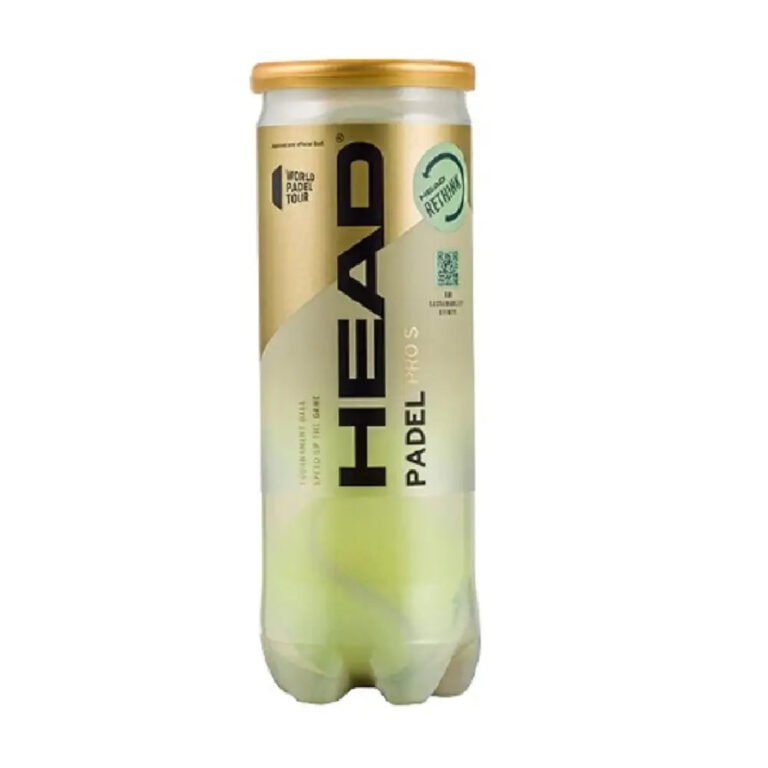
Padel Balls — 3 Pack (FIP Spec)
- Proper padel pressure (lower than tennis)
- Consistent bounce off glass walls
- Pressurized can keeps them fresh
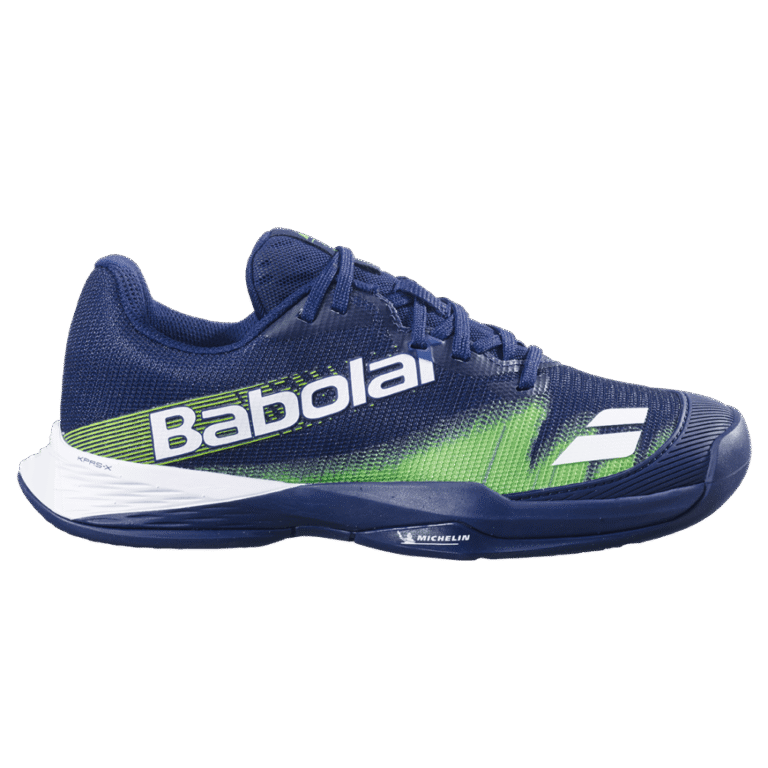
Court Shoes (Lateral Support)
- Herringbone outsole for turf grip
- Lateral stability for hard slides
- Cushioning for 90-minute sessions
Free returns · Prime shipping on eligible orders
Frequently Asked Questions
Padel uses tennis scoring: points go 15–30–40–game. A set is won by the first team to 6 games with a 2-game margin (tiebreak at 6–6), and a match is best of three sets. At 40–40 (deuce), the game is decided by whichever deuce format is in use: classic advantage, golden point, or the 2026 Star Point.
The golden point is a single sudden-death point played at deuce (40–40) instead of advantage scoring. The receiving pair chooses whether to receive on the right or left side and may not change positions for it; in mixed matches the receiver must be the same sex as the server. Whoever wins the point wins the game.
The Star Point is the FIP’s 2026 deuce format used on the Premier Padel circuit and CUPRA FIP Tour. Each team is allowed a maximum of two advantages per game; if the game still isn’t decided, a single deciding “Star Point” is played. The receiving pair chooses the side, cannot change positions, and the winner of the point wins the game.
The serve is underhand: bounce the ball in your service box, strike it at or below waist height, and land it diagonally in the opposite service box. One foot must start behind the service line, feet may not touch the lines, and since 2026 the ball may not cross the service line in the air before contact. Two serves are allowed per point.
Yes — it’s the heart of the sport. After the ball bounces on your opponent’s side, it may rebound off their glass walls and stay in play, and you can play off your own glass to send the ball back over. The ball must bounce before touching the opponents’ walls; hitting the mesh directly without a bounce is out.
A let replays the point with no penalty. It applies when the serve clips the net cord and lands in, when the receiver wasn’t ready and made no attempt to play, when the ball breaks, or when play is interrupted by something beyond the players’ control. Deliberate distraction is not a let — that point goes to the opponents.
No. The return of serve must bounce before it is hit — volleying it loses the point. Volleys are legal at every other moment in the rally.
Yes. FIP regulations make the wrist strap (a non-elastic cord, max 35 cm, fixed to the handle) obligatory for safety. From 2026, if the cord breaks or detaches — or you drop the racket — during a point, you lose the point.