
Two sports, both played with a solid racket or paddle, both exploding in popularity — and both constantly confused with each other. This guide compares them honestly: the courts, the walls, the kitchen, the scoring, the learning curve and the cost, so you can pick the right first sport.
TL;DR — The short answer
Pick pickleball if you want the gentlest possible start: a smaller court, a slower plastic ball, a shorter distance to cover, and — in the US — free public courts almost everywhere. Pick padel if you want a faster, more athletic game with longer rallies, glass walls that keep the ball alive, and a proper club scene — especially in Dubai and the UAE, where padel is the established sport and pickleball is still the newcomer. Neither is “better” in the abstract. They reward different things, and this guide shows you exactly where they differ.
On this page
- The 60-second verdict
- Quick comparison table
- The courts: glass box vs open hard court
- Walls vs the kitchen: the defining rules
- Racket vs paddle, ball vs ball
- Scoring and serves, side by side
- How a rally actually feels
- Learning curve: first hour, first month
- Physical demand: which suits your body?
- Cost and access: Dubai/UAE vs the US
- Playing both: how the skills cross over
- Which one should you start with?
- Frequently asked questions
The 60-Second Verdict
Padel and pickleball share DNA — both are social doubles games played with a solid-faced implement and an underarm serve — but they sit at opposite ends of the racket-sport intensity scale. Pickleball is the calmer, more contained game: the ball is light plastic, the court is small, and the famous non-volley zone deliberately slows everything down at the net. Padel is the livelier one: a pressurised ball, a bigger court shared by four players, and glass walls that turn defence into attack and make rallies run long.
You want rallies, movement and a workout with your social sport. You like the idea of playing balls off glass walls, you are reasonably mobile, and you live somewhere with a real padel scene — in the UAE, that means almost everywhere. Start with our guide to the best padel rackets once you are hooked.
You want the easiest possible entry into racket sports. The technique barrier is the lowest of any net game, mixed-age groups can play together comfortably, and in the US you can often play free on converted park courts. Paddles are simple to choose — our best pickleball paddles hub covers the options.
Still torn? Read the sections below in order. By the scoring and learning-curve sections, most beginners know which sport is theirs — and plenty end up playing both.
Padel vs Pickleball: Quick Comparison
Every key difference on one screen. The sections that follow unpack the rows that matter most.
| Factor | Padel | Pickleball |
|---|---|---|
| Court size | 20 × 10 m (65.6 × 32.8 ft) | 13.41 × 6.10 m (44 × 20 ft) |
| Court surface | Artificial turf with sand dressing | Hard court (acrylic over asphalt/concrete) |
| Enclosure | Glass and mesh walls — part of the game | Open court, low surrounding fence only |
| Signature zone | The glass walls behind each baseline | The “kitchen” — a 2.13 m (7 ft) non-volley zone at the net |
| Implement | Solid foam-core racket, perforated face, max 45.5 cm, wrist strap compulsory | Solid paddle, max 43.2 cm (17 in) long |
| Ball | Pressurised felt ball, 6.35–6.77 cm, similar to a lower-pressure tennis ball | Hard plastic ball with holes, 7.29–7.55 cm |
| Net height | 88 cm centre, 92 cm at the posts | 91.4 cm at sidelines, 86.4 cm (34 in) centre |
| Serve | Underarm, after a bounce, at or below waist height; two attempts | Underarm (volley or drop serve); one attempt |
| Scoring | Tennis system: 15–30–40, games and sets; both sides can win points | Traditional side-out scoring to 11, win by 2: only the serving side scores |
| Format | Doubles almost exclusively | Doubles most popular; singles well established |
| Space per player (doubles) | 50 m² | About 20 m² |
| Rally character | Long, tactical, wall-assisted comebacks | Patient dinking exchanges, sudden hand battles |
| Learning curve | Easy start, deep tactical ceiling | Easiest start of any racket sport, subtle soft-game ceiling |
| Stronghold | Spain, Latin America, Middle East (incl. Dubai/UAE) | United States, growing in Canada and Australia |
The Courts: Glass Box vs Open Hard Court
The fastest way to understand these sports is to stand on their courts. They feel completely different under your feet and around you.
The padel court
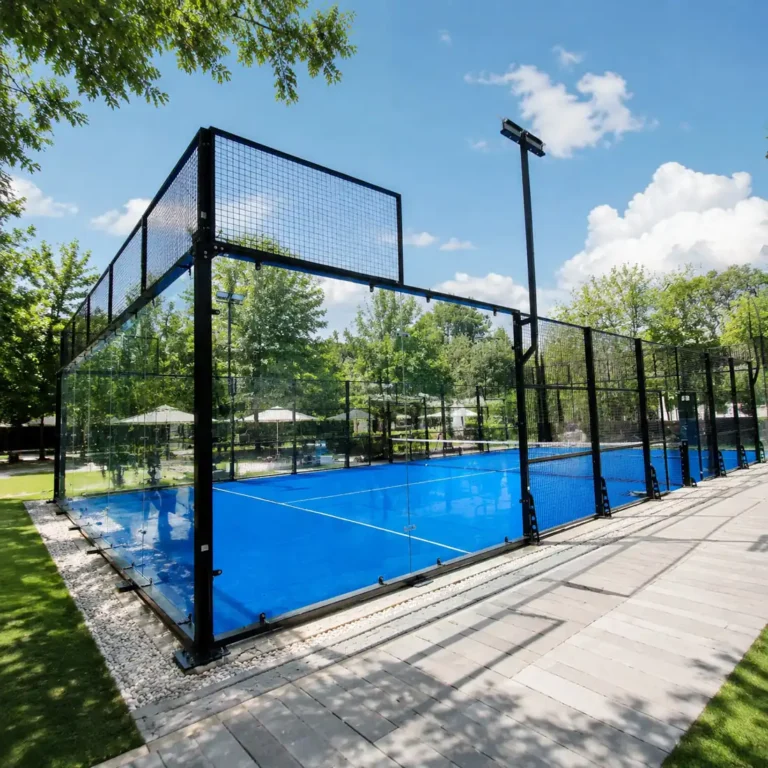
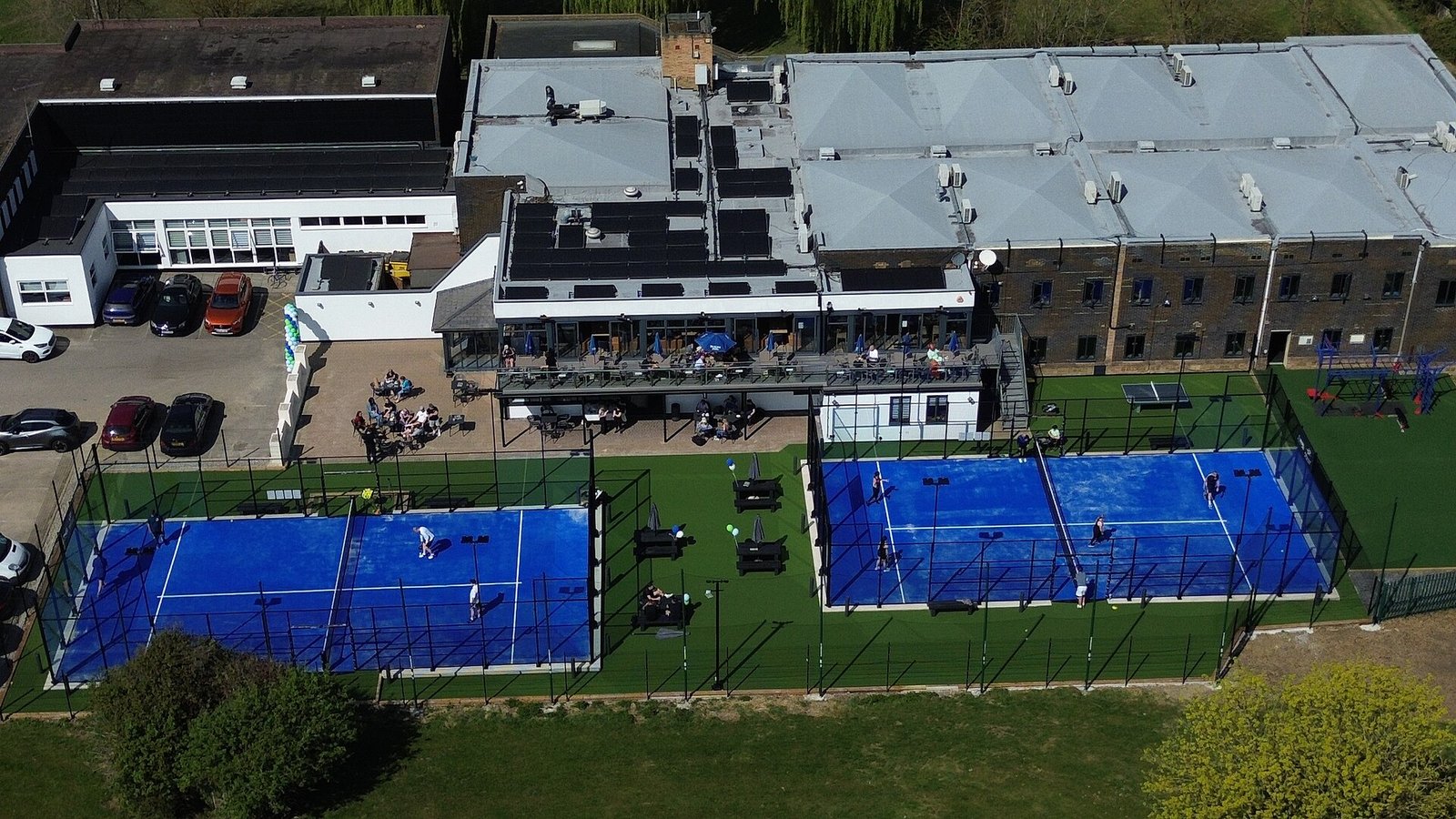
A padel court measures 20 metres long by 10 metres wide and is fully enclosed. The back walls are glass, 3 metres high, topped by mesh that takes the enclosure to 4 metres; the sides combine glass and mesh in the same stepped profile. The playing surface is artificial turf dressed with sand, which softens the bounce, slows the ball slightly and is noticeably kinder underfoot than concrete. That enclosure is not decoration — the walls are live playing surfaces, and the game is designed around balls rebounding off the glass behind you. Indoor and covered courts dominate in hot climates: most Dubai padel is played indoors or under shade with air conditioning, because summer temperatures make midday outdoor play unrealistic. The enclosure, the turf and the wall rules are all covered in our complete padel rules guide.
The pickleball court
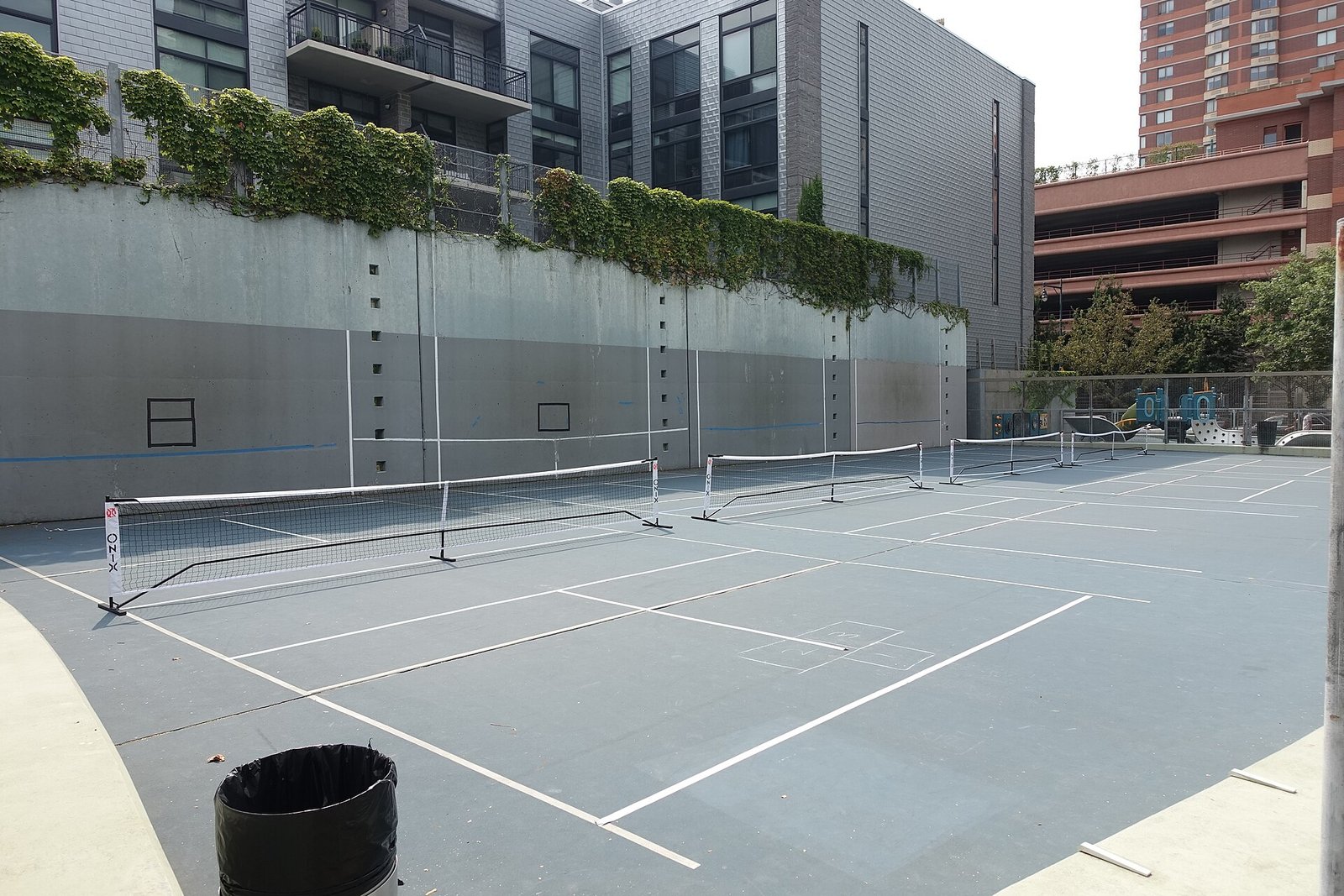
A pickleball court is 13.41 metres by 6.10 metres (44 × 20 ft) — the same footprint for singles and doubles — and it is simply painted lines on a hard court. Many pickleball courts are converted tennis courts or basketball slabs, marked out with portable nets. There are no walls in play; a low fence keeps stray balls in, nothing more. The surface is uncompromising acrylic hard court, which matters for your knees and your footwear. What defines the pickleball court is not its boundary but a zone painted across it: the kitchen, covered in the next section.
The practical difference: padel requires a purpose-built facility, which means clubs, bookings and court fees. Pickleball can appear anywhere flat, which means parks, schoolyards and driveways — and often no fee at all. Keep that in mind when we reach cost and access.
Walls vs the Kitchen: The Defining Rules
Every racket sport has one rule that shapes everything else. Padel’s is the glass. Pickleball’s is the kitchen. They push their games in opposite directions.
Padel: the ball is not dead until it bounces twice
In padel, once your opponent’s shot has bounced on your side, it may hit the glass behind you and you can still play it. Beginners find this miraculous: a ball that would be a clean winner in tennis smacks into the back glass, drops politely, and you hit it back. This single rule explains padel’s long rallies and its forgiving learning curve — you get second chances on defence that no other racket sport offers. The walls also create padel’s attacking geometry: smashes are angled to rebound off the glass out of reach (the famous por la puerta and wall-exit shots), and lobs are a core weapon because pushing opponents back opens the net. You can read the full mechanics in our complete padel rules guide.
Pickleball: the kitchen keeps the net honest
The non-volley zone — the “kitchen” — extends 2.13 metres (7 feet) on each side of the net. You may not volley while standing in it or on its line (unless the ball has bounced). This one rule prevents tall, strong players from camping at the net and smashing everything, and it creates pickleball’s signature shot: the dink, a soft, unattackable ball dropped just over the net into the kitchen. Good pickleball is a patient chess match of dinks, waiting for one ball to pop up high enough to speed up. Beginners love it because it neutralises power — a strong opponent cannot simply blast you off the court.
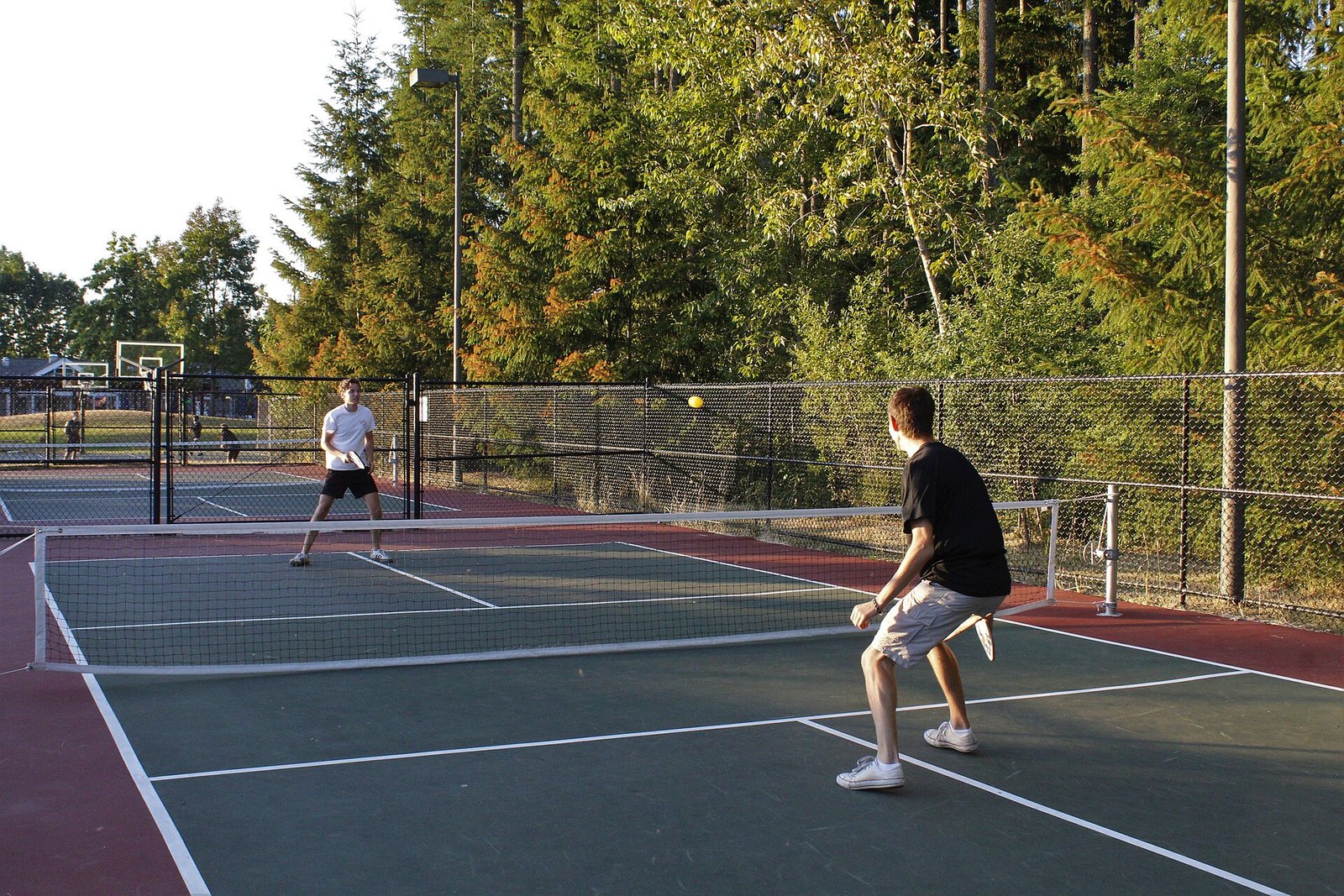
The contrast in one line: padel’s walls extend rallies by rescuing defence; pickleball’s kitchen extends rallies by restraining attack. Both sports use their signature rule to keep beginners in the point longer — they just do it from opposite ends.
Racket vs Paddle, Ball vs Ball
The implements
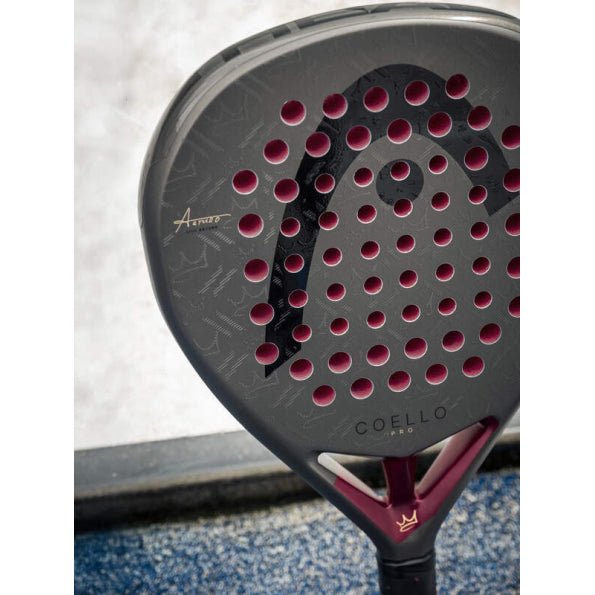
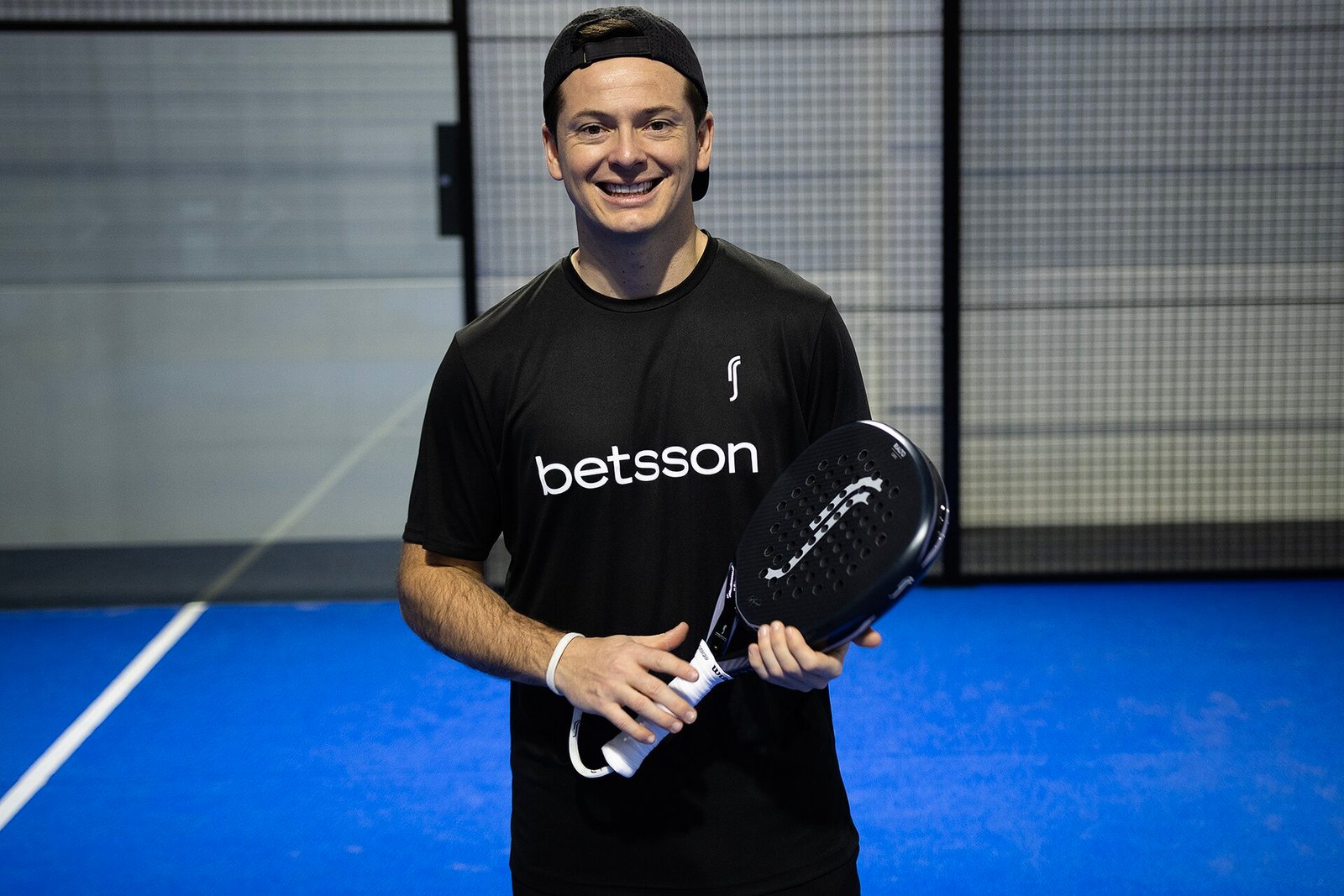
A padel racket is a solid, stringless bat: a foam core sandwiched between fibreglass or carbon faces, drilled with holes, at most 45.5 cm long, with a wrist strap that the rules require you to wear. Shape matters — round rackets forgive, diamond rackets hit harder — and a beginner’s first racket should be light and round or teardrop shaped. Two beginner-friendly examples verified in our buying guides: the Kuikma PR 190, Decathlon’s fibreglass starter racket built around a large sweet spot and a soft EVA core, and the HEAD Evo Speed, a teardrop-shaped option for players who want a little more help on smashes without giving up control. Our best padel rackets guide explains the shapes and materials properly before you spend anything.
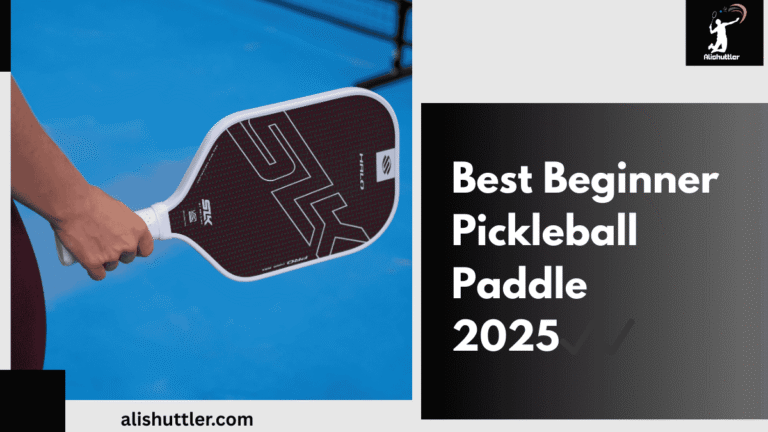
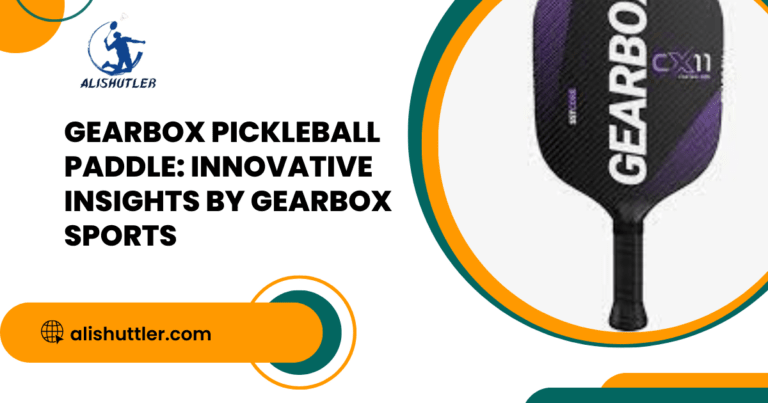
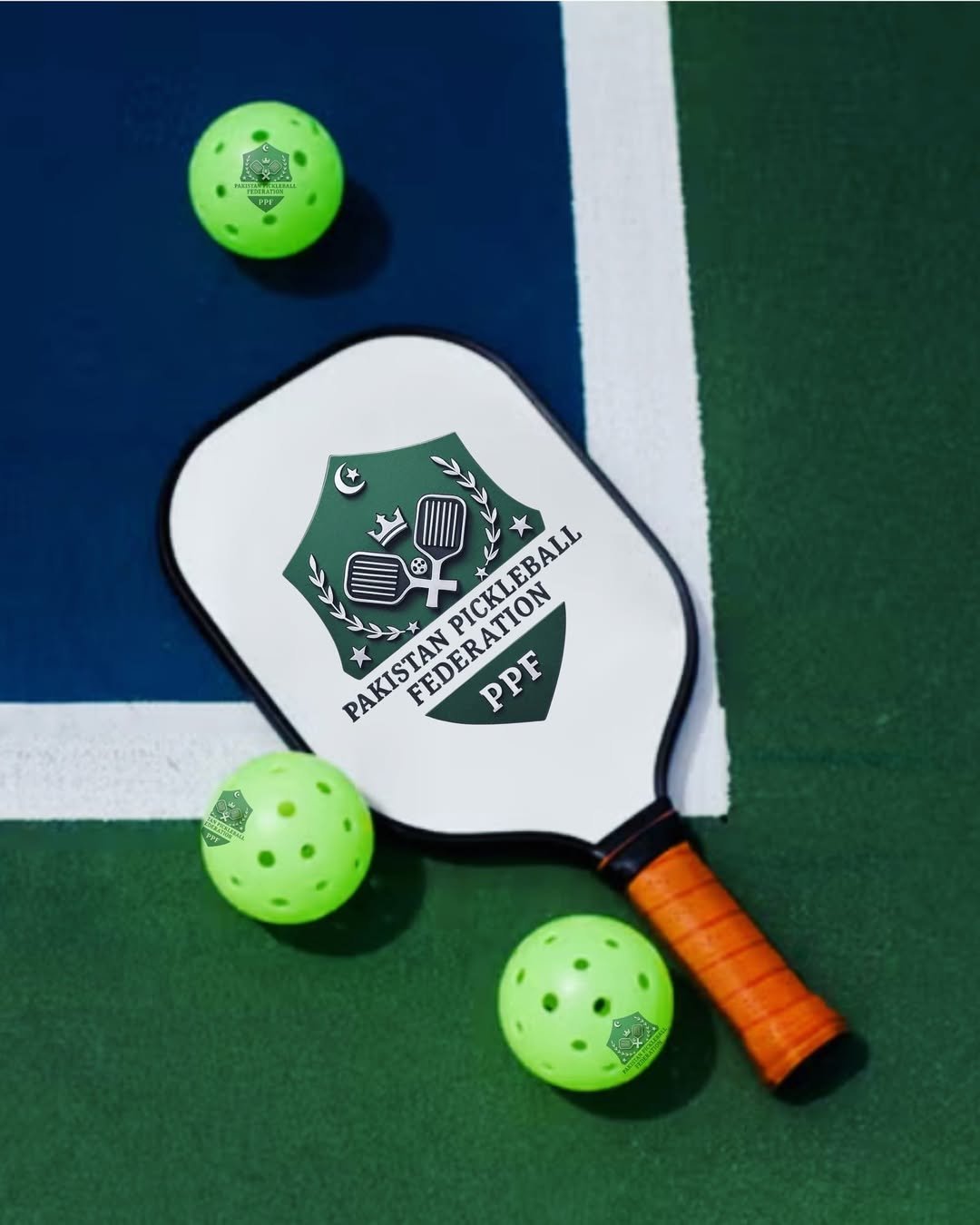
A pickleball paddle is also solid and stringless, but flatter and thinner — more table-tennis bat than padel racket — with a maximum length of 43.2 cm (17 inches). Faces are typically fibreglass, carbon fibre or composite over a polymer honeycomb core. There is no wrist-strap rule and far less shape variety to agonise over: for a first paddle, an edge-guarded midweight fibreglass or carbon paddle from a reputable brand is the standard advice, and our best pickleball paddles hub walks through the current options.
The balls
The padel ball looks like a tennis ball and behaves like a slightly tired one: same felt construction, a touch smaller (6.35–6.77 cm) and lower in pressure, so it bounces a little lower and slower — deliberately, to suit a smaller court and wall play. Balls come in pressurised tubes and lose their liveliness over a few matches, which is a real running cost of the sport.
The pickleball is a hard plastic sphere with 26 to 40 moulded holes (outdoor balls use more, smaller holes to resist wind; indoor balls fewer, larger ones). It does not compress, flies slowly, bounces low and makes a distinctive pop. It is also nearly indestructible compared with a padel ball, though outdoor balls can crack in cold weather. For a beginner, the ball difference is the single biggest feel difference between the sports: padel’s ball feels like a sport you know; pickleball’s feels like nothing else, and it takes a session to trust its floaty flight.
Scoring and Serves, Side by Side
If you have ever watched tennis, padel scoring will feel like home within one game. Pickleball scoring is the thing beginners most often get wrong — so here both are, plainly.
| Element | Padel | Pickleball |
|---|---|---|
| Point scoring | 15 – 30 – 40 – game, with deuce and advantage (many amateur matches use a single golden point at deuce) | Traditional side-out scoring: only the serving team can win a point; lose the rally and serve passes over |
| Match target | Best of 3 sets; a set is first to 6 games (tiebreak at 6–6) | Games to 11 points, win by 2 |
| Score calling | Server calls the tennis-style score | Three numbers in doubles: serving team’s score, receiving team’s score, server number (1 or 2) |
| Serve motion | Underarm only: bounce the ball, strike at or below waist height | Underarm only: either a volley serve struck below the waist with an upward arc, or a drop serve off the bounce |
| Serve target | Diagonal service box; after the bounce it may touch the glass but not the mesh fence | Diagonal service court, beyond the kitchen line; a serve clipping the net and landing in is live |
| Second serve | Yes — two attempts, like tennis | No — one attempt; a fault hands the serve to the partner or the other team |
| Opening exchanges | Serving pair usually advances to the net; returning pair defends and uses the glass | Two-bounce rule: the serve and the return must both bounce before volleys are allowed |
Two quirks deserve emphasis. First, pickleball’s side-out scoring means rallies can pass back and forth several times with no change to the scoreboard — games swing on serve runs, and remembering the three-number call (“six, four, two”) is a rite of passage for every new player. Rally scoring, where every rally earns a point, exists in some organised formats, but side-out remains the recreational standard. Second, padel’s golden point: in much amateur and FIP-level play, a game at deuce is settled by one deciding point rather than endless advantage exchanges, which keeps social matches brisk. Both systems are fully explained in context in our padel rules guide; pickleball players switching codes should also read our padel vs tennis comparison to see how padel scoring borrows tennis wholesale.
How a Rally Actually Feels
Numbers only tell half the story. The lived experience of a rally is where these sports truly separate.
A padel rally
Padel rallies are long, physical and tactical. The court is big for the number of legs defending it — 50 square metres per player — so positioning and patience win points. A typical exchange: serve, a return taken off the glass, both pairs jostling for the net, a lob to reset, a bandeja (a controlled, sliced overhead) to hold position, and finally an error forced by pressure rather than a clean winner. Points end through attrition. You will run, lunge, turn and backpedal constantly, and the glass means the point is rarely over when you think it is — the defining beginner delight is winning a rally with a ball you had already given up on.
A pickleball rally
Pickleball rallies are shorter in distance but denser in touches. After the serve and return bounce, all four players gravitate to the kitchen line, and the rally becomes a soft-touch duel: dink, dink, dink — then, the instant someone lifts a ball too high, a blur of fast hands at close range until someone nets it or pops it out. It is less running, more reflexes and touch. The skill beginners discover they need is not power but restraint: the discipline to keep dinking rather than swinging.
In short: padel feels like a rally sport — closer to squash-tennis chess with your feet moving. Pickleball feels like a net duel — closer to table tennis stood up, with your hands doing the work.
Learning Curve: First Hour, First Month
The first hour
Both sports are famously beginner-friendly, but in different ways. In pickleball, a complete novice can sustain rallies within fifteen minutes: the paddle is light, the ball is slow and floaty, the court is small, and the kitchen protects you from being overpowered. The only true first-hour hurdles are procedural — the score call, the two-bounce rule and kitchen foot faults.
In padel, your first hour is also fun, but messier. The ball behaves more like a real sports ball, the court gives you more ground to cover, and the walls are a gift you have not yet learned to open: beginners either ignore the glass entirely or turn to face it and get tangled. Almost everyone rallies, laughs and loses track of the score — but pickleball’s first hour is unquestionably smoother.
The first month
By week four the curves cross. Pickleball beginners hit the soft-game wall: to improve you must unlearn swinging, master the dink and the third-shot drop, and develop kitchen patience — a subtle skill set that takes months and frustrates power players. Padel beginners, meanwhile, start to feel the walls working for them: the first time you deliberately let a ball pass you, take it off the glass and win the point, the sport clicks permanently. Padel’s tactical ceiling (net positioning, bandejas, viboras, wall exits) is arguably higher; pickleball’s touch ceiling is arguably subtler. Neither sport will bore you in year one.
Coming from tennis?
Tennis players adapt to both quickly — but the adjustments are different, and the detailed transfer breakdown lives in our padel vs tennis comparison and our pickleball vs tennis guide. The one-line version: in padel, shorten your swing and learn the walls; in pickleball, soften your hands and respect the kitchen.
Physical Demand: Which Suits Your Body?
Both sports market themselves as joint-friendly alternatives to tennis, and both claims are broadly fair — but they stress the body in different places.
| Demand | Padel | Pickleball |
|---|---|---|
| Running load | High for a doubles game: 200 m² of court, constant repositioning, lob-and-recover cycles | Low to moderate: about 20 m² per player, most play happens within a few steps of the kitchen line |
| Movement pattern | Sprints, lunges, turns, backpedalling for lobs, overhead reaching | Short shuffles, split-steps, quick lateral hand exchanges; singles is far more demanding than doubles |
| Surface forgiveness | Sanded artificial turf — softer landings, slight grip on turns | Hard acrylic court — the least forgiving surface of the two |
| Serve strain | Underarm serve: minimal shoulder load | Underarm serve: minimal shoulder load |
| Common strain points | Calves and knees from court coverage; elbow if technique is wristy with a heavy racket | Knees and Achilles from the hard surface and low crouch; wrist and elbow in fast net exchanges |
| Mixed-age suitability | Good, but the court exposes big mobility gaps | Excellent — the kitchen system deliberately levels speed and power differences |
The honest summary: padel is a workout that happens to be social; pickleball is a social game that happens to be exercise. If your primary goal is fitness and you are mobile enough to enjoy court coverage, padel will give you more per hour. If you are returning from injury, managing knee issues, or playing across a wide age range — grandparents with grandchildren is a genuine pickleball scene, not a slogan — pickleball’s smaller court and self-levelling rules make it the safer weekly habit. Both are dramatically kinder than singles tennis, mainly because the serve is underarm and the load is shared between four players.
Cost and Access: Dubai/UAE vs the US
Where you live may decide this comparison for you, because the two sports’ heartlands barely overlap.
In Dubai and the UAE
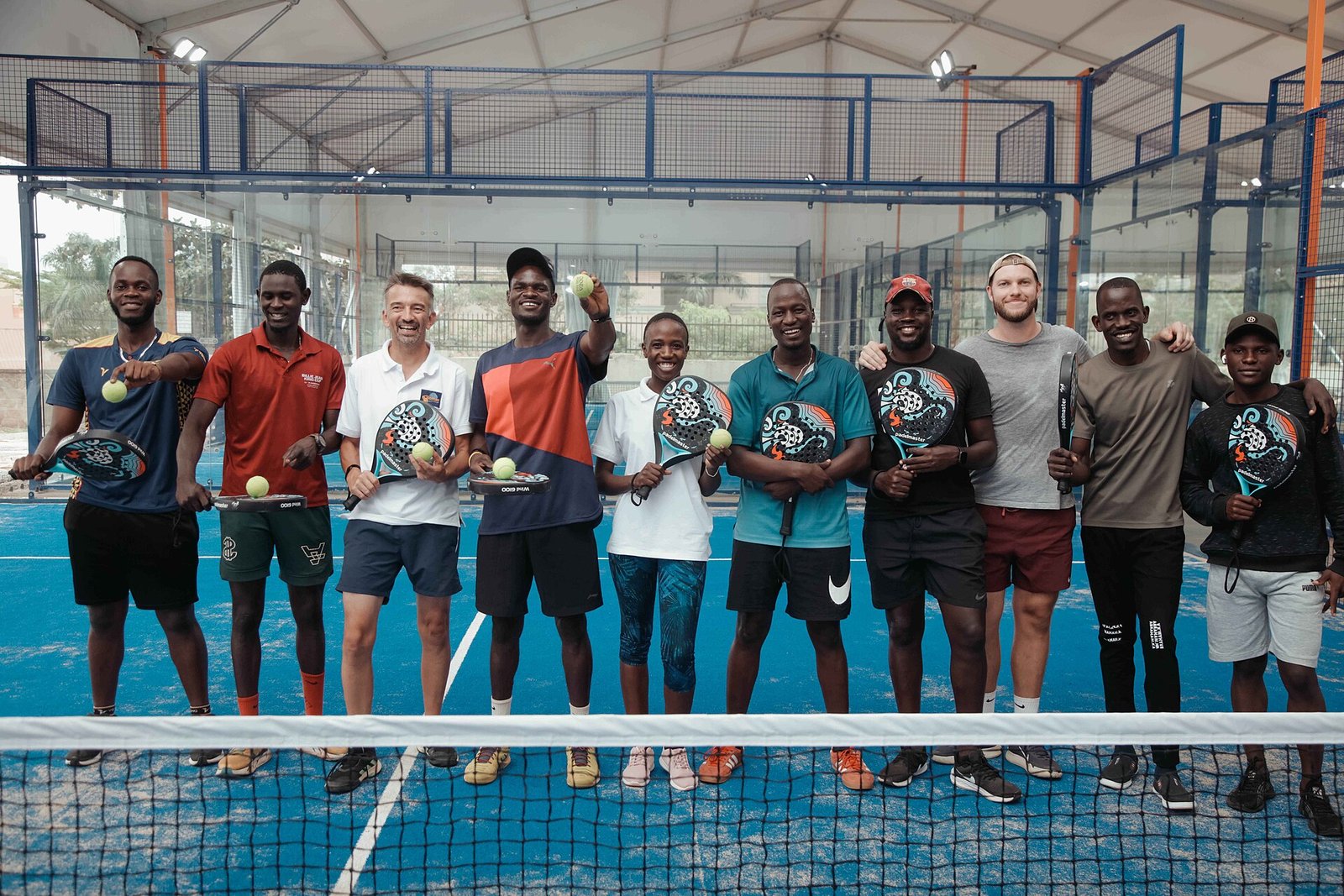
Padel is the established sport here — one of the region’s defining leisure booms. Purpose-built clubs operate across Dubai and the other emirates, most of them indoor or shaded, with online booking, racket rental and coaching as standard. Court hire is split four ways, and rental rackets mean a beginner can play a first match with nothing but court shoes. Pickleball in the UAE is real but young by comparison: a small and growing number of venues and pop-up courts, mostly inside multi-sport facilities, with a fraction of padel’s booking availability. If you live in the Emirates and want to play this weekend with zero friction, the answer is padel — our rules guide will have you legal in one read.
In the United States
The picture inverts. Pickleball is the default American racket sport of the decade: courts in public parks, recreation centres and converted tennis facilities across the country, open-play sessions where individuals rotate in, and many municipal courts free to use. Padel in the US is growing quickly from a small base — concentrated in Florida, Texas, California and a few other metros, almost always as private clubs with bookable courts. Outside those hubs, finding a padel court at all can be the challenge.
Gear costs, honestly framed
Without quoting prices (they vary by market and change constantly), the shape of the spend differs. Pickleball’s entry ticket is lower: a serviceable starter paddle and a few balls are cheap, balls last for months, and public courts are often free. Padel asks a little more: a decent beginner racket costs more than a starter paddle, pressurised balls need replacing regularly, and you will essentially always pay for court time — though split four ways, and with club rental rackets for your first sessions. Neither sport requires specialist clothing beyond court shoes, and both are routinely played in ordinary gym kit.
Playing Both: How the Skills Cross Over
Nothing forces a choice for life, and a growing number of recreational players keep both sports in their week. The crossover is real but partial. Shared skills transfer well: net positioning, overhead timing, quick hands, split-step readiness and reading a doubles partner’s movement are common currency, and padel’s wall defence teaches a patience that improves pickleball defence, while pickleball’s dinking teaches a soft touch that improves padel’s drop shots and net control.
What does not transfer is just as specific. Padel rewards a compact but full swing through the ball and punishes a passive net game; pickleball punishes exactly that full swing at the kitchen line, where a wristy, controlled punch is the correct tool. Your feet need retraining too — in padel you constantly retreat to let balls reach the glass, while in pickleball the whole game pulls you forward to the kitchen line and holds you there. Players who do both successfully treat them as dialects of one language: same grammar of angles and teamwork, different vocabulary of shots. If your local scene offers both, the practical pattern is one primary sport for progression and the other for variety — and you will find your primary chooses itself within a month.
Which One Should You Start With?
Match the sport to the player, not the hype. Work down this list and stop at the first description that sounds like you:
- You want maximum exercise and rally length: Padel. The court, the walls and the rally structure deliver the bigger workout and the longer points.
- You are a complete racket-sport beginner, or returning from a long layoff: Pickleball. The first hour is the kindest introduction to net sports that exists.
- You are playing with parents, grandparents or mixed-ability friends: Pickleball. The kitchen exists precisely to keep mismatched players in the same rally.
- You live in Dubai or the wider UAE: Padel, almost by default — the clubs, courts and coaching are already there. Try pickleball when a venue near you offers it, as a second sport.
- You live in the US outside a padel hub: Pickleball, by availability. Take up padel on trips to its strongholds and see if it grabs you.
- You love tactics, angles and out-thinking opponents: Padel’s walls and positioning game reward the chess brain; pickleball rewards the patient, soft-handed tactician instead.
- You hate running: Pickleball doubles. No contest.
- You already play tennis or squash and want the closest cousin: Padel shares tennis scoring and overhead mechanics; its learning curve for you is measured in sessions. Our padel vs tennis breakdown goes deeper.
The Verdict
For a beginner choosing one sport: pickleball is easier, padel is bigger — easier on day one, bigger in court, in rally and in workout. In the US, availability makes pickleball the practical default; in Dubai and the UAE, the infrastructure makes padel the obvious starting point. The best answer, if both are within reach, is to try each once: one open-play pickleball session and one padel court booking will tell you more than any guide — including this one — because the sport you will still be playing in six months is the one whose rallies feel like yours.
Affiliate disclosure: some links in this guide are affiliate links. If you buy through them, we may earn a commission at no extra cost to you — it helps keep these guides free.
Frequently Asked Questions
Pickleball, by a nose. The court is smaller, the plastic ball flies slowly, and the non-volley zone (the kitchen) stops stronger players from overpowering you at the net, so complete novices rally within minutes. Padel is also very beginner-friendly — the glass walls give you second chances on defence — but its bigger court, livelier ball and wall technique take a few sessions to feel natural.
Padel, in most cases. A padel doubles player covers 50 square metres of court with constant repositioning, lunges and lob-recovery running, while pickleball doubles concentrates play around the kitchen line with roughly 20 square metres per player. Pickleball singles is far more demanding than doubles, though, and either sport beats the sofa — the best exercise is the one you will do twice a week.
No — not in organised play, and not sensibly in casual play either. A padel racket is thicker, foam-cored and built for a pressurised felt ball; a pickleball paddle is thin and flat, built for a hard plastic ball. Each sport’s rules specify its own equipment dimensions, and the feel is wrong in both directions: the padel racket is cumbersome against a light plastic ball, and a pickleball paddle has no foam core to absorb padel ball pace. Use the right tool — beginner models of both are inexpensive, and padel clubs rent rackets.
Pickleball, almost everywhere. A starter paddle costs less than a starter padel racket, the plastic balls last far longer than pressurised padel balls, and in the US many public courts are free. Padel involves near-unavoidable court-hire fees because it needs a purpose-built glass court — though split between four players, and with rental rackets for your first games, the per-session cost stays modest.
No. A padel court is 20 × 10 metres, surfaced in sanded artificial turf and enclosed by glass and mesh walls that are part of play. A pickleball court is 13.41 × 6.10 metres (44 × 20 ft) of open hard court with a non-volley zone at the net. A pickleball court can be lined onto almost any flat hard surface; a padel court is a dedicated structure.
It depends on the joint. Padel’s sanded turf is the more forgiving surface and both sports use an underarm serve, which spares the shoulder — but padel asks for much more running, lunging and turning. Pickleball doubles involves far less court coverage, which suits knee problems, though its hard acrylic surface transmits more impact per step. Players managing joint issues commonly start with pickleball doubles and add padel once their conditioning improves.
Each dominates its own heartland. Pickleball is the bigger phenomenon in the United States, where it has grown from a niche pastime into the country’s most visible recreational racket sport. Padel is far larger across Spain, Latin America and the Middle East — in the UAE it is a mainstream club sport — and it is the more established game internationally, with a long-running professional tour. Globally the honest answer is: it depends entirely on where you are standing.
Padel. The UAE has a deep padel infrastructure — indoor and shaded clubs across Dubai, online booking, coaching and racket rental — so you can play your first match this week with no equipment at all. Pickleball venues exist in the Emirates but are few by comparison. Learn padel first, and treat pickleball as an enjoyable second sport when you travel to the US or find a local session.