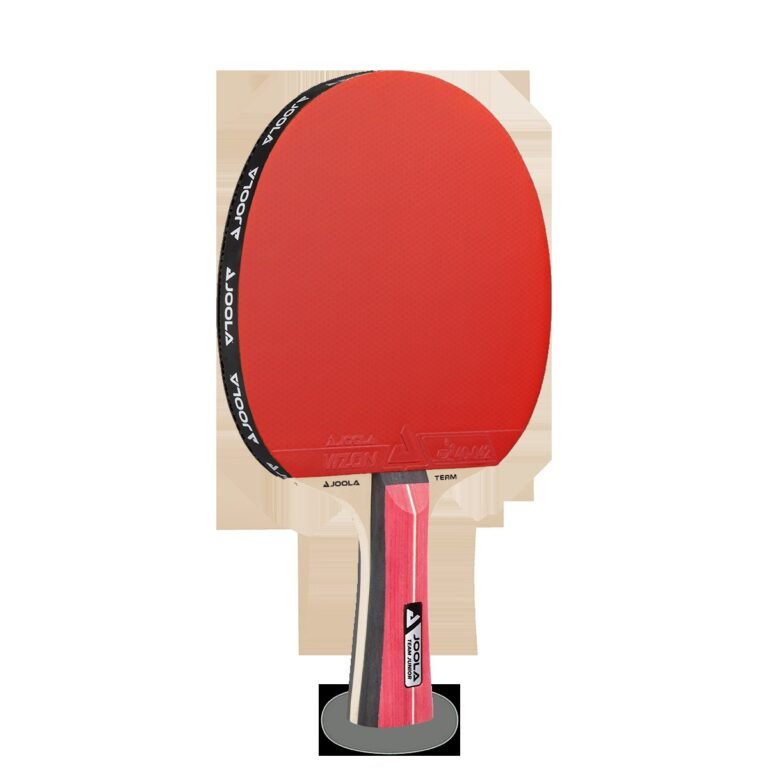
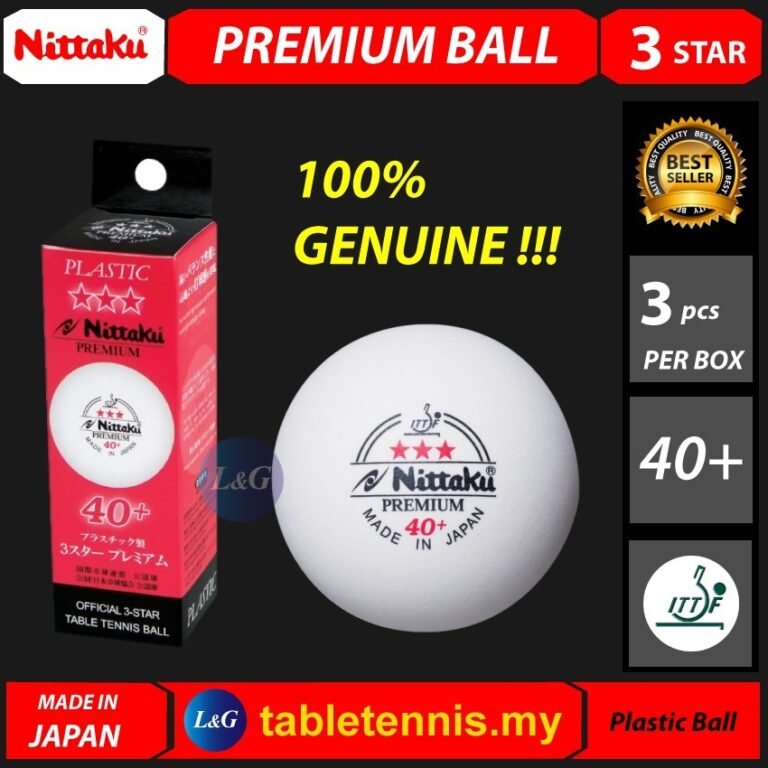
It is one of the most common arguments in racket sports — usually shouted across a garage table. Is ping pong a different game from table tennis, a casual nickname for it, or something in between? This guide settles it properly: where the two names came from, why a trademark forced the sport to pick one, whether a single rule differs today, and which term you should actually use when you buy gear or join a club.
TL;DR — The short answer
Table tennis and ping pong are the same game. Same table, same ball, same Laws, same world governing body. The split is not sporting — it is legal and cultural. “Ping-Pong” began as the popular name for the Victorian parlour game, was registered as a trademark at the turn of the century, and the trademark’s owners forced the sport’s associations to adopt the generic name “table tennis” instead. Today “table tennis” is the official term used by the ITTF, the Olympics and every serious club, while “ping pong” survives as the everyday word for the casual game — and, in the US, as a living equipment brand. There is exactly one organised exception, a sandpaper-bat event that deliberately plays under the ping pong name, and it is covered below.
On this page
- The 60-second verdict
- Quick comparison table
- Two names, one parlour game
- The trademark that split the name
- Any difference in the modern game?
- The one real exception: sandpaper ping pong
- Garage game vs sanctioned sport
- Which term to use when buying and searching
- What to call it, where
- Frequently asked questions
The 60-Second Verdict
If you have ever lost an argument about this, here is the ammunition. Ping pong is not a separate sport, a junior version, or a different rule set. It is the name the public gave the game first — an imitation of the sound of the ball — and it lost its official status for a purely commercial reason: somebody owned it. When the trademark holders, Parker Brothers in the US and the Jaques/Hamleys interests in Britain, insisted that events using the name also use their equipment, the sport’s organisers walked away from the word entirely and rebuilt the game under the descriptive, un-ownable name “table tennis.” Every official structure since — the ITTF, the World Championships, the Olympics — has used table tennis. Everything else called ping pong is the same game played informally, or marketed casually.
You are entering a tournament, joining a club, buying competition-grade gear, or talking about the sport as a sport. It is the term on the rulebook, the Olympic programme and every serious retailer’s category page — and it is the search term that finds ITTF-approved equipment.
You are talking about the office table, the garage game, the park’s concrete tables or a family gift set. Everyone will know exactly what you mean, nobody official will correct you, and for recreational equipment it is often the word on the box anyway.
That is the whole answer in one screen. The rest of this page is the evidence: the story, the rulebook check, the single genuine exception, and the practical buying guidance that falls out of it.
Table Tennis vs Ping Pong: Quick Comparison
Every supposed difference, checked. Notice how short the list of real ones is.
| Factor | Table Tennis | Ping Pong |
|---|---|---|
| What it is | The official name of the sport | The popular name for the same sport — and a registered brand name in the US |
| Governing body | ITTF (founded 1926) — its rulebook is titled the Laws of Table Tennis | None of its own; casual play follows the same Laws or house rules |
| Rules | The ITTF Laws: games to 11, legal serve requirements, let and edge rulings | Identical when played formally; informal games often simplify them (see the rules link below) |
| Table | 2.74 × 1.525 m, top 76 cm high, net 15.25 cm | The same dimensions — a “ping pong table” is a table tennis table |
| Ball | 40 mm plastic ball, 2.7 g | The same ball |
| Racket | Wooden blade with regulated rubber coverings; any size or shape of blade | The same equipment in formal play; basic pre-made bats in most casual sets |
| Olympics & World Championships | Yes — Olympic sport since 1988 | Never under this name; the one branded exception is the sandpaper World Championship of Ping Pong |
| Where you will hear it | Clubs, leagues, broadcasts, pro shops, governing bodies | Homes, offices, pubs, parks, gift and toy retail |
| Trademark status | Generic — nobody can own “table tennis” | “Ping-Pong” is a registered trademark in the US, currently held by Escalade Sports |
Two Names, One Parlour Game
The game itself began in Victorian England in the 1880s as an after-dinner parlour amusement — lawn tennis shrunk onto a dining table. The earliest equipment was improvised: period accounts describe a row of books stood upright as the net, more books or cigar-box lids as bats, and a golf ball or a champagne cork as the ball. It was a novelty, and like every novelty it collected nicknames faster than it collected rules. The ITTF’s own museum history lists the names the game was marketed under — Gossima, Whiff Waff, Parlour Tennis, Indoor Tennis, Pom-Pom, Pim-Pam, Netto, Clip-Clap and more. Two names outlasted the pile: table tennis, the plain description, and ping pong, the sound of the game itself — “ping” off the bat, “pong” off the table.
Two innovations turned the parlour trick into a sport around 1901. James W. Gibb, an English enthusiast, brought celluloid balls back from a trip to the United States and found them ideal — light, consistent, and the source of that crisp ping-pong sound. In the same period E.C. Goode fixed a sheet of pimpled rubber to a wooden blade, creating the recognisably modern racket. Tournaments followed, books were written, and by the time an unofficial world championship was staged in 1902 the game had outgrown the dining room.
Through all of this, “ping pong” was simply what people called it. It was the catchy name, the marketable name — and that is precisely what got it into trouble.
The Trademark That Split the Name
Here is the part of the story most retellings skip: the two names did not compete as equals. One of them was private property.
A name you had to pay to use
“Ping Pong” was registered as a trademark in England right at the turn of the century — the ITTF’s history records Hamleys taking out the mark in 1900, with the games maker J. Jaques & Son Ltd following in 1901 — and the two firms became jointly concerned in it. In the United States, Jaques sold the American rights to Parker Brothers, the famous board-game company. The owners enforced the mark rigorously: as the ITTF’s museum history puts it, tournaments and clubs using the Ping Pong name were required to use the owners’ Ping Pong equipment. In other words, calling your event “ping pong” effectively meant buying your tables, nets and bats from one supplier.
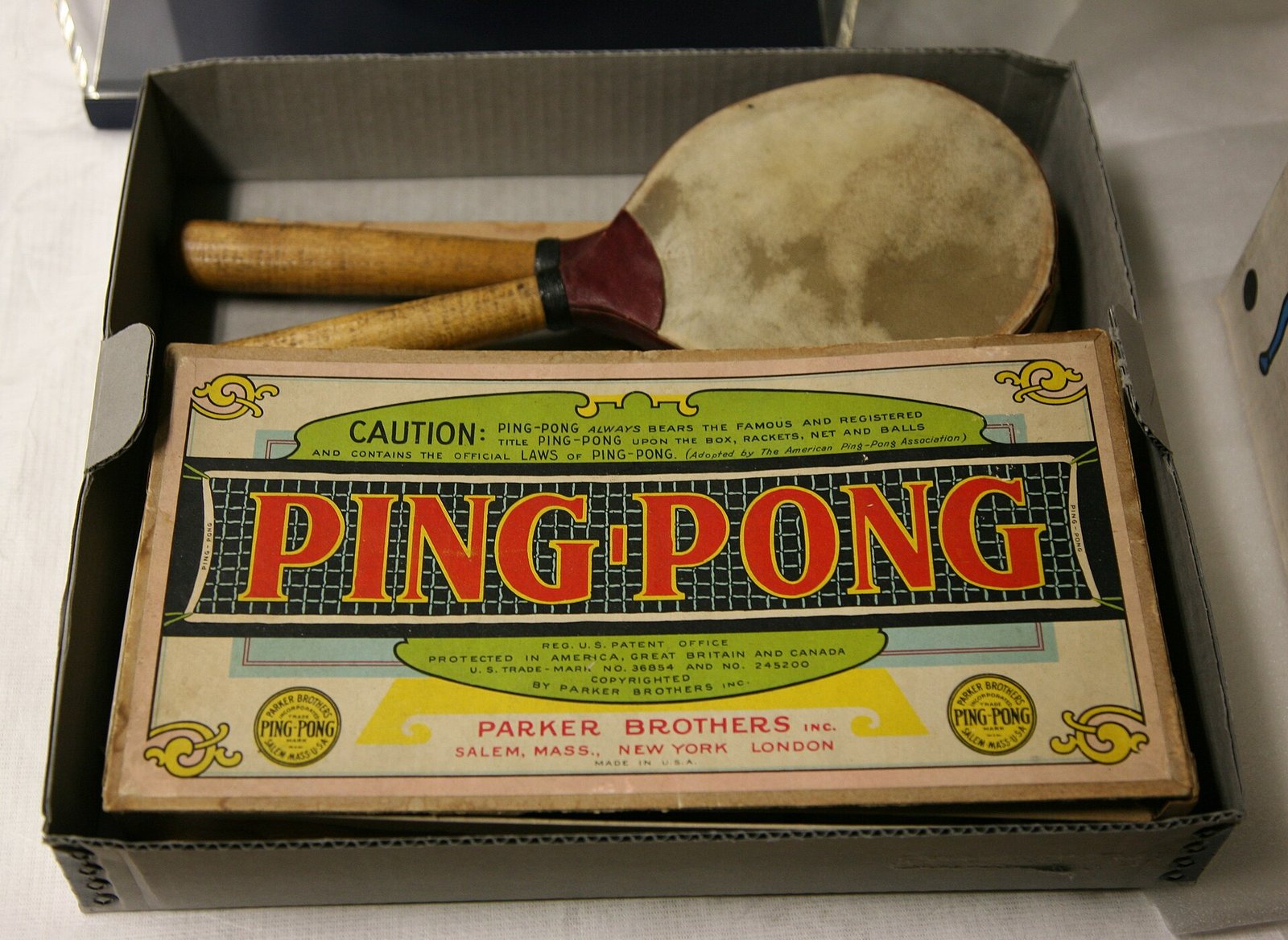
“Table tennis,” by contrast, was a description. Nobody could trademark the words for what the game plainly was, any more than someone could own “lawn tennis.” Manufacturers who were not Jaques or Parker Brothers already sold their versions of the game as table tennis for exactly this reason. The sport faced a fork: stay a branded parlour product tied to one company’s catalogue, or become an independent sport under a name anyone could use.
The sport chooses the free name
It chose independence, and the paper trail is unusually clear. When England’s dormant Ping Pong Association was revived in November 1921, its organisers discovered — in Table Tennis England’s summary of its own centenary research — that “Ping Pong was a registered trade name,” and the association dissolved and reformed in 1922 as the Table Tennis Association (it added “English” in 1927). Across the Atlantic, Parker Brothers enforced its mark through the 1920s, and American associations made the same change for the same reason. In 1926 the international federation was founded under Ivor Montagu — and it was, from its first day, the International Table Tennis Federation. London hosted the first official World Championships that same year, under the table tennis name.
Nothing about the game changed when the name did. The tables, balls, scoring and Laws carried straight over; the only thing the sport abandoned was a word it did not own. And the word never died — it just moved house, from the rulebook to everyday speech, where it has lived comfortably ever since. The trademark itself also survives: in the United States, “Ping-Pong” remains a registered brand, held today by Escalade Sports, which sells recreational tables and sets under it. So the strange modern situation — one sport, an official name and a brand name — is not a confusion. It is the fossil of a business dispute from 1901.
Is There Any Difference in the Modern Game?
Strip the names away and compare what is actually played today. The answer is no — with the evidence laid out below so you do not have to take our word for it.
One rulebook
There is a single Laws document for this sport, maintained by the ITTF as part of its Statutes, and it knows only one name. Under those Laws, a match played in a world final and a match played on a club night are the same match: the same legal serve (ball tossed from an open palm, rising at least 16 cm, struck behind the end line), the same scoring to 11, the same rulings on edges, lets and expedite. If a casual “ping pong” game in a garage uses different scoring or a relaxed serve, that is not a different sport’s rules — it is house rules, and every sport from football to chess has them. The moment a ping pong game is played formally, it is played to the Laws of Table Tennis, because there is no other book. The full Laws, explained clause by clause, live in our complete table tennis rules guide — we are deliberately not re-printing them here.
One equipment standard
The ITTF does not certify “ping pong equipment” separately, because there is nothing separate to certify. The specifications are the specifications, whatever word is printed on the retail box:
| Item | Official specification (ITTF Laws) |
|---|---|
| Table | 2.74 m long × 1.525 m wide; playing surface 76 cm above the floor |
| Net assembly | Net suspended 15.25 cm high along its whole length |
| Ball | Spherical, 40 mm diameter, 2.7 g, plastic (the modern “40+” generation) |
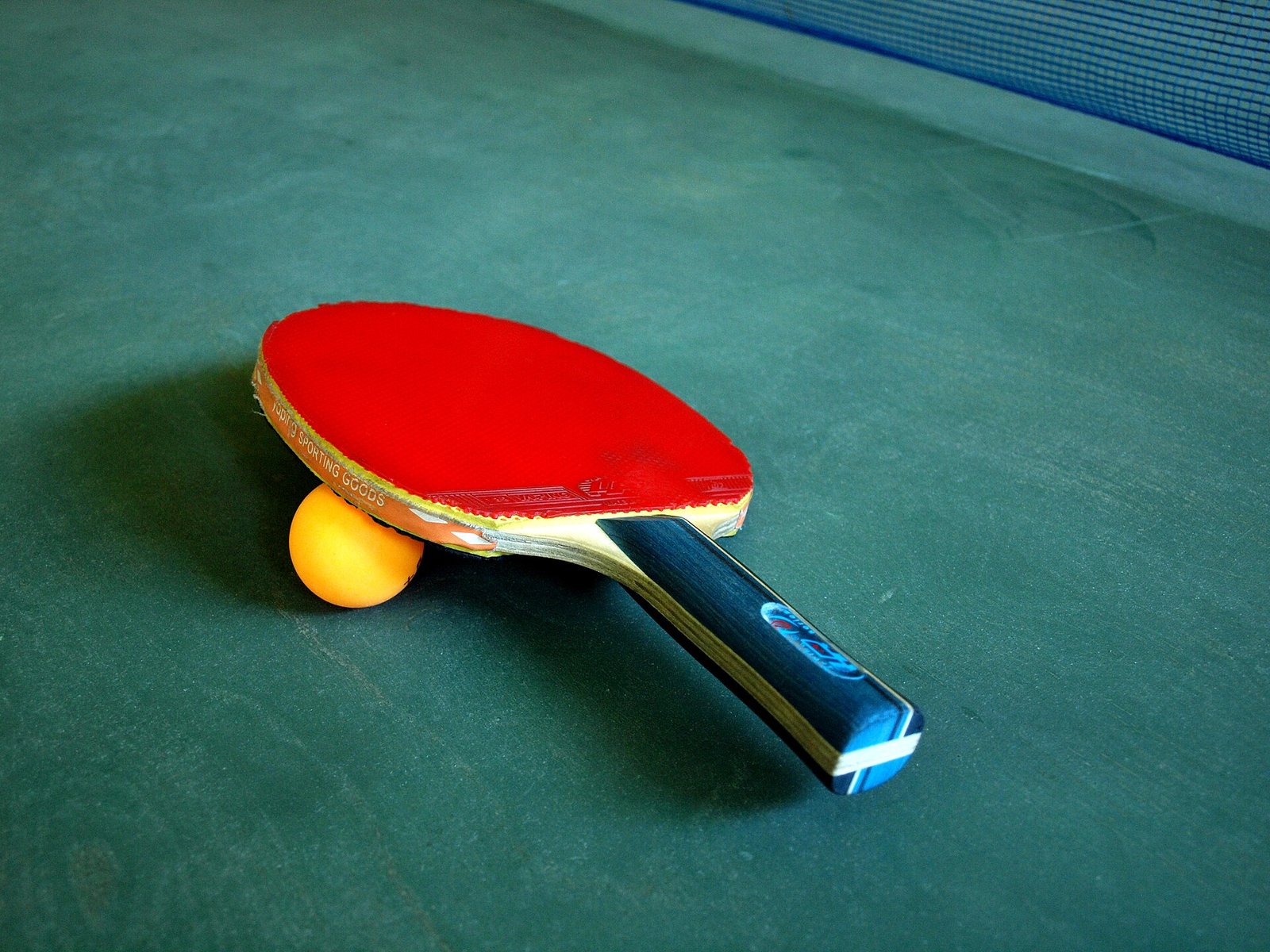
| Racket | Blade of any size, shape or weight; coverings regulated — one black side, one side a clearly contrasting colour |
| Playing standard | Same Laws for a world final, a county league night and a club ladder |
This is why a “ping pong table” bought from a toy or department store folds out to the same 2.74 × 1.525 m footprint as a competition table in an arena: the product categories differ in build quality, thickness and price band, not in the game they host. The ball in a budget set is the same 40 mm, 2.7 g sphere as the ball in a World Championships final — perhaps less round, less consistent, but dimensionally the same object under the same Laws. Equipment standards are the strongest proof available that the two names describe one game: if ping pong were truly a different sport, it would need its own table, its own ball and its own book. It has none of the three.
The One Real Exception: Sandpaper “Ping Pong”
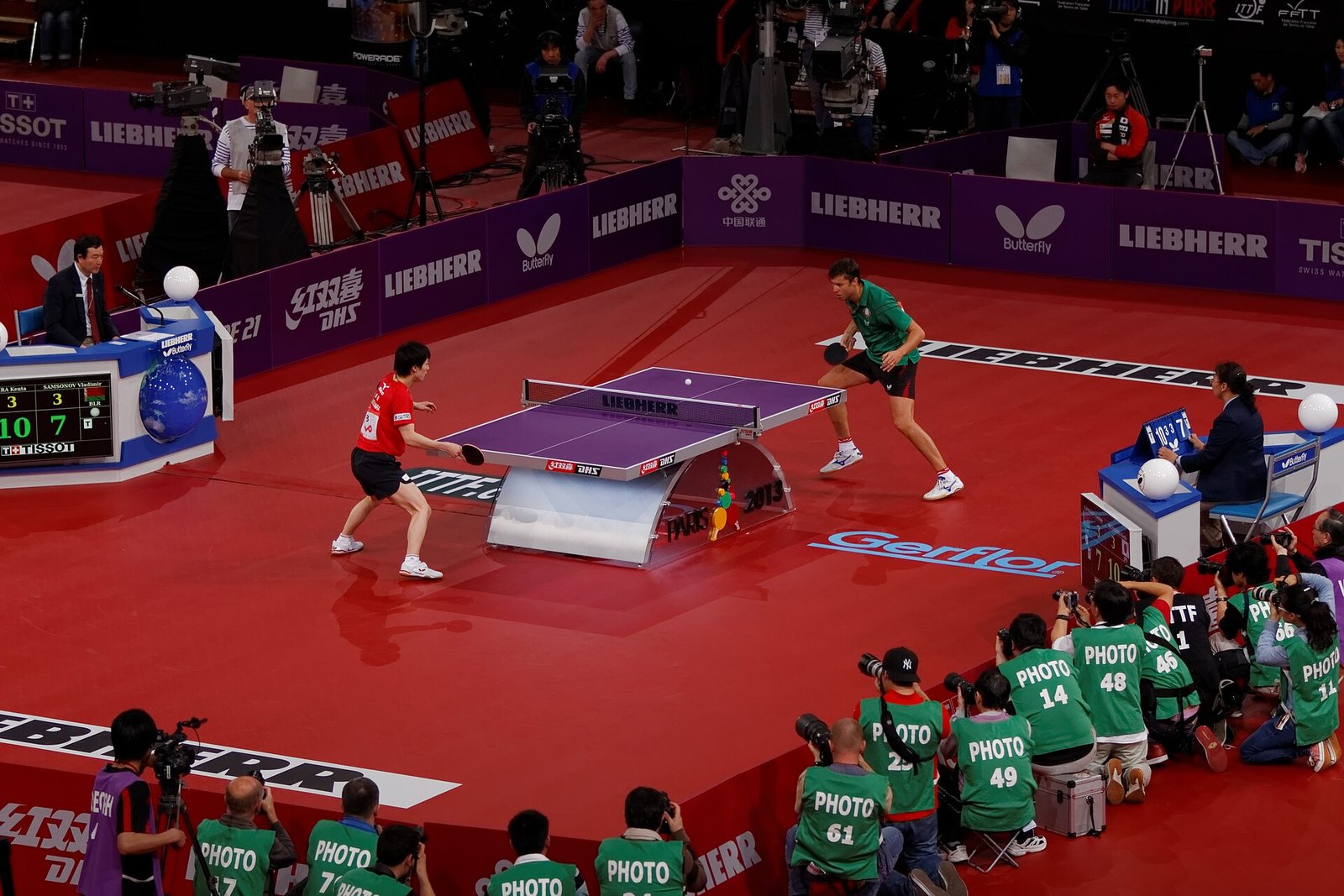
There is exactly one corner of the modern game where “ping pong” genuinely means something different — and it exists precisely because of the name’s old-fashioned, pre-trademark-fight associations. The World Championship of Ping Pong, promoted by Barry Hearn’s Matchroom Sport and staged since 2011 — most famously at Alexandra Palace in London — is a televised invitation event built as a throwback to the sport’s hardbat era. Its defining rule: nobody plays with a modern sponge-rubber racket. Every competitor uses identical, old-style wooden bats surfaced with fine sandpaper, supplied by the organisers and swapped between players, so the contest is deliberately stripped of the spin and speed that modern rubber creates. Rallies run longer, touch and placement matter more than power, and the presentation — walk-on music, razzmatazz, and in its early editions even a once-a-match “double point” ball — is openly entertainment-first. England’s Andrew Baggaley, an Olympian in the table tennis version of the sport, became its record four-time champion in 2020.
Two things are worth understanding about this exception. First, it is a format, not a rival sport: it uses the same table, ball and rally structure, changing only the racket covering — the one equipment variable the ITTF Laws regulate most tightly. Second, it proves the rule about the names. The event brands itself “ping pong” precisely to signal nostalgia and accessibility — the garage game, televised — while every governing-body event on the calendar brands itself “table tennis” to signal the sanctioned sport. The names have become shorthand for two attitudes toward the same game, and this tournament is where that shorthand is used most deliberately.
A smaller version of the same distinction exists in classic or “hardbat” play, where some traditionalists prefer bare-wood or simple pimpled-rubber bats without sponge. But in ordinary life — clubs, shops, broadcasts — if you see the words “ping pong” on an event, expect sandpaper, hardbats or house rules; if you see “table tennis,” expect the ITTF Laws in full.
Garage Game vs Sanctioned Sport: The Cultural Split
Ask a room of people to picture “ping pong” and then to picture “table tennis,” and you will get two different films. Ping pong is the rec room and the office breakout space, the concrete tables in the park, the comedy-movie montage, the game you play with a drink in the other hand. Table tennis is the hushed arena, the umpire’s chair, the towel break every six points, spin serves disguised until the last fraction of a second. Same table in the middle of both pictures — completely different cultures wrapped around it.
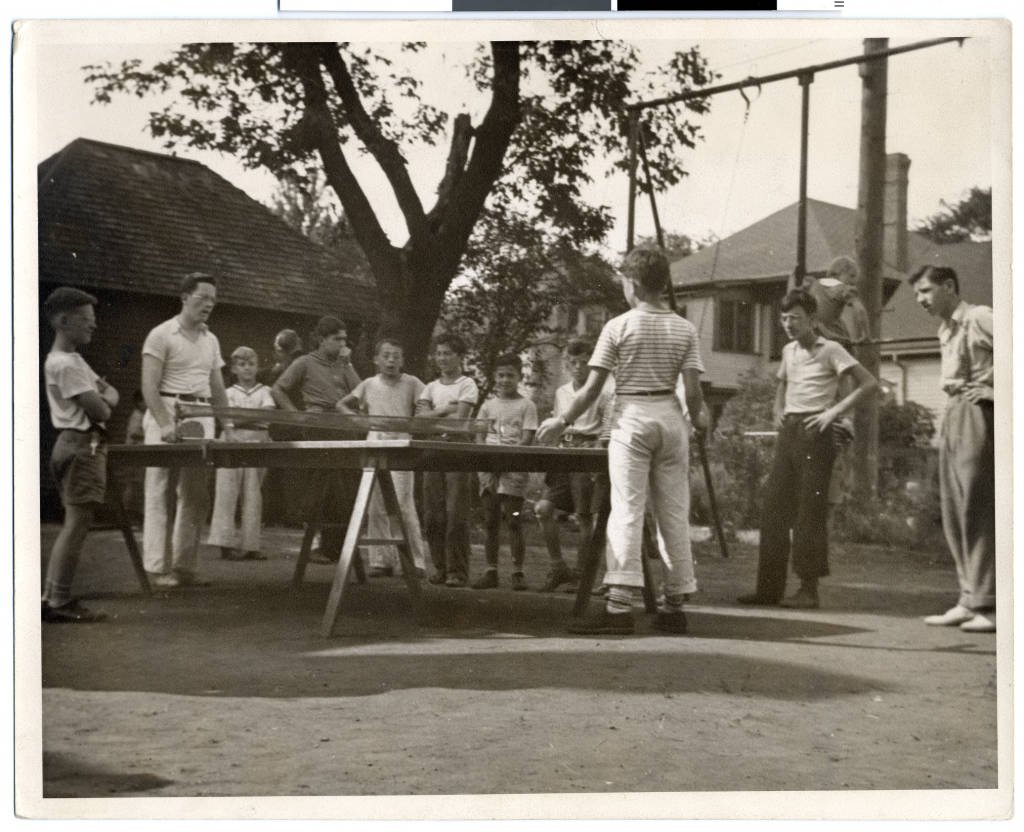
The split runs deeper than vocabulary. The casual game is built around accessibility: cheap pre-made bats, forgiving house rules, keep-it-up rallies, winner-stays-on. Equipment is bought as a set, lives in a cupboard, and is chosen for durability rather than performance. The sanctioned game is built around standards: balls selected for roundness, rubbers chosen by the micron of sponge, tables certified for bounce uniformity, rankings, ratings and a calendar that ends at World Championships and Olympic Games. A competitive player assembles a custom racket from a bare blade and two sheets of rubber and re-glues it as the rubber ages — a ritual that makes no sense at all across a garage table, and perfect sense across an arena one.
Neither culture is the “real” one, and the health of the sport depends on both: the garage is where almost every arena player first touched a bat. What the names do is signpost which culture you are in. That is genuinely useful information — it tells a beginner whether to expect coaching and league ladders or a relaxed knockabout — as long as nobody mistakes the signpost for a difference in the game itself.
Which Term to Use When Buying and Searching
This is where the naming split stops being trivia and starts affecting your wallet, because retailers, search engines and manufacturers all sort products by the same cultural divide.
Searching for serious gear: use “table tennis”
Competition equipment is catalogued under the sport’s official name. ITTF-approved rubbers, professional blades, competition tables and tournament balls are listed as table tennis products by specialist retailers and by the brands themselves. If you search “ping pong rubber,” you will mostly be shown toy sets and pre-made recreational bats; search “table tennis rubber” and you reach the real catalogue. Our best table tennis rubbers guide is built entirely from that competition catalogue — the tacky Chinese-style sheets, the tensor generation, the short-pips specialists — none of which a “ping pong” search surfaces well.
Shopping for fun: either term works, “ping pong” often wins
For a family set, an outdoor table for the garden, a fold-up table for the office or a gift, “ping pong” is the word much of the recreational market is packaged under — including, in the US, equipment sold under the Ping-Pong brand itself. Prices and quality in this segment vary enormously under both names, so buy on specification rather than vocabulary: tabletop thickness, ball quality, and whether the bats are at least proper laminated wood with real rubber. Our best table tennis tables guide compares tables across both naming camps on exactly those specs, which is the honest way to shop this market.
The footwear footnote
One search where the term matters less than the product: shoes. There is no such thing as a distinct “ping pong shoe” category — the sport’s footwear is sold as table tennis shoes, built for the lateral lunges and short explosive steps the game demands. If you are playing several times a week, they are a bigger upgrade than a new bat; our best table tennis shoes guide covers the current options. And if you progress from the garage to a club, the full table tennis rules guide is the bridge: it is the same game you already know, played to the letter.
What to Call It, Where
A pocket guide to the etiquette, so you can sound like a local in both worlds:
| Situation | Use | Why |
|---|---|---|
| Entering a tournament or joining a club | Table tennis | It is the name on the entry form, the league and the Laws |
| Watching the Olympics or World Championships | Table tennis | The official programme name since the sport’s Olympic debut in 1988 |
| Buying competition gear | Table tennis | Specialist catalogues file approved rubbers, blades and tables under it |
| Buying a family or outdoor set | Either — ping pong is common | Recreational retail, especially in the US, packages under both names |
| The office, pub or garage game | Ping pong | The universal casual word; nobody is keeping Laws |
| A sandpaper-bat event | Ping pong | The World Championship of Ping Pong uses the name deliberately, as a hardbat throwback |
| Talking to a serious player about their sport | Table tennis | Many competitive players treat “ping pong” the way a footballer treats “kickabout” — friendly, but not the name of their discipline |
The Verdict
Table tennis vs ping pong is not a contest — it is a copyright dispute that outlived everyone involved in it. One game was invented in Victorian parlours; one of its two nicknames got trademarked; the sport walked away with the name nobody could own and built a century of World Championships and Olympic tournaments on it. The trademarked name stayed behind as the word for the casual game and, in America, as a brand still printed on boxes today. So play it wherever you find it, call it whatever the room calls it — and when you are ready to take it seriously, search “table tennis,” learn the Laws properly, and know that the only real upgrade is in the equipment and the standard, never in the name.
Frequently Asked Questions
Yes — they are two names for one sport, played on the same 2.74 × 1.525 m table, with the same 40 mm ball and the same ITTF Laws. “Table tennis” is the official name used by the governing body, the World Championships and the Olympics; “ping pong” is the older popular nickname that survives in casual use. No governing body recognises them as different games.
Because one of the names was private property. “Ping-Pong” — an imitation of the sound of the game — was registered as a trademark in England at the turn of the century (Hamleys in 1900, Jaques & Son in 1901), and Parker Brothers bought and enforced the US rights, requiring events using the name to use the owners’ equipment. The sport’s associations refused the tie-in: England’s association renamed itself the Table Tennis Association in 1922 for exactly this reason, and the ITTF was founded under the table tennis name in 1926.
In the United States, yes — “Ping-Pong” is a registered trademark currently held by Escalade Sports, which sells recreational tables and sets under the brand. That is one reason official bodies and serious retailers avoid the term in the US: on a product or event, it can denote a specific company’s goods rather than the sport in general. In everyday speech in most of the world it is simply the casual word for the game.
No official version of ping pong has its own rules. Formal play everywhere uses the ITTF’s Laws of Table Tennis — games to 11, the open-palm serve tossed at least 16 cm, and the standard let and edge rulings, all explained in our table tennis rules guide. Casual ping pong games often use house rules (shorter games, relaxed serves), but that is informality, not a different rulebook. The single organised exception is the sandpaper-bat World Championship of Ping Pong, which changes the racket covering rather than the Laws.
The World Championship of Ping Pong is a televised invitation event promoted by Matchroom Sport, staged since 2011 and most famously held at Alexandra Palace in London. All players use identical organiser-supplied wooden bats surfaced with sandpaper instead of modern sponge rubber, which removes most spin and speed and produces longer rallies. It is a deliberate throwback format of the same sport — same table, same ball — and England’s Andrew Baggaley, an Olympian in table tennis, is its record four-time champion.
Search “table tennis” for anything performance-related: ITTF-approved rubbers, blades, competition tables and shoes are all catalogued under the official name, and specialist retailers organise their stock that way. “Ping pong” searches skew toward recreational sets, toys and gift products — fine for a family table or an outdoor set, but a poor route to serious gear. For either purchase, buy on specification (tabletop thickness, ball grade, real laminated-wood bats) rather than on which name is printed on the box.
It is the same game, so neither name is easier — but the settings differ. A casual game with basic bats and house rules feels gentle because basic bats generate little spin and nobody is enforcing the Laws. The sanctioned sport feels harder because sponge rubbers produce heavy spin, serves are disguised, and every ruling is applied. Move the same two players from a garage to a club table with competition rubbers and the “easy” game becomes the hardest version of itself — with no change of sport in between.