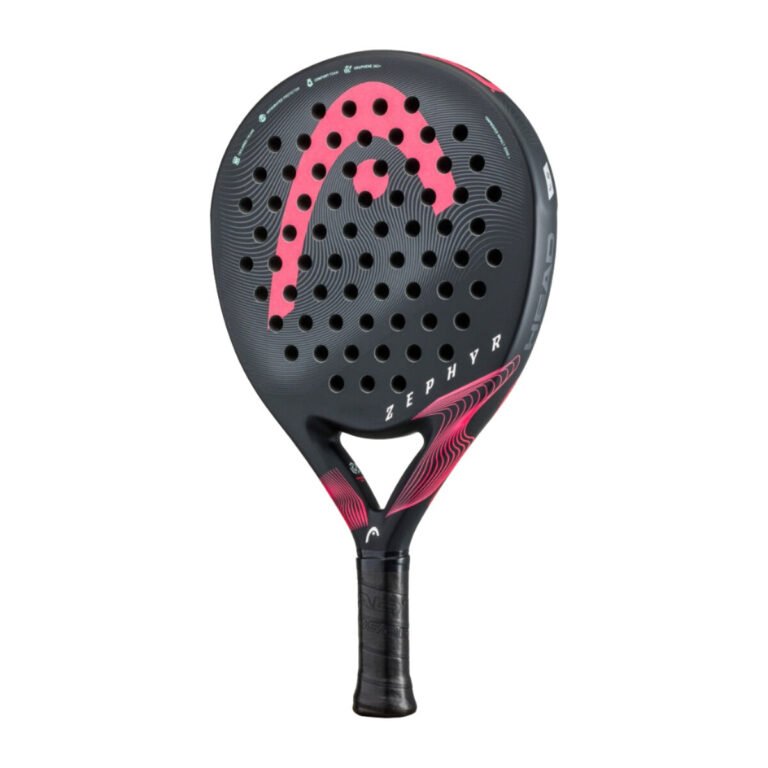

Seven padel shoes verified as genuinely light at build time — Babolat, Mizuno, Wilson, ASICS and Head — compared on exactly what can be checked before you buy: weights with their size basis, lateral stability as the makers describe it, herringbone grip for sand-dressed courts, pivot features and maker-named cushioning.
Padel is a sport of short, violent movements. The average rally keeps you inside a ten-metre box, lunging for the net, braking hard off the glass, spinning out of corners and sprinting back for the lob — and every one of those movements starts with the weight on your feet. A lighter shoe does not make you faster in the way a lighter racket makes you quicker through the air; it makes you faster by costing less energy on every single step, which is why the players who live at the net and chase everything tend to buy the lightest shoe they can get away with. The question this guide answers is the honest version of “which is the lightest”: which padel shoes are genuinely light, what their published weights actually mean, and what each one gives up — because lightness is always a trade, never a free lunch.
This guide owns one decision only — the weight/speed purchase. It does not re-rank our segment guides: the all-player flagship selection lives in our best padel shoes comparison, women players have their own picks in our best padel shoes for women guide, first purchases belong to our best padel shoes for beginners guide, the club-player purchase is owned by our best padel shoes for intermediate players comparison, and the top-tier purchase belongs to our best padel shoes for advanced players guide. Every model below is different from the ones ranked in those guides. If you are still learning the movement patterns these shoes are built for — the split step, the net lunge, the recovery off the back glass — our how to play padel guide covers them. Read those for their jobs; read this one when grams are the first thing you check.
One promise before the picks: we card only what verifies as light. No maker in this guide publishes a weight for its padel shoes — not Babolat, Mizuno, Wilson, ASICS or Head — so every figure below is a retailer’s or buyer’s-guide figure, labelled with its source and its size basis. Four candidates from the shortlist failed verification and were dropped rather than padded in: the Joma T.Slam 2201 (380 g in a US 10.5 — a fine shoe, but not a light one), the Bullpadel Vertex Vibram 25V (no published weight anywhere, and the brand’s shoes measure around 380 g), the Nox AT10 Genius (a racket, not a shoe — the shortlist had a name collision), and the Adidas Adizero Ubersonic line (the current Ubersonic 5 measures 388 g in a men’s US 10.5 — heavier than everything carded here). The seven that remain are the genuinely light end of the padel market, and the cards state the lightness-vs-support tension honestly for each one.

TL;DR — The Short Version
Buy the Babolat Jet Premura 2 if you want the benchmark light padel shoe — 331 g with a Matryx Evo upper and a Michelin padel-specific outsole, endorsed by Juan Lebrón. Buy the Babolat Jet Tere 2 Clay if your courts are clay or sand-dressed: the lightest shoe in Babolat’s range at 320 g, in a clay herringbone. Buy the Mizuno Wave Exceed Light Padel for the softest ride among the lightweights — Mizuno Enerzy foam and a Wave plate around 290 g. Buy the Wilson Bela Pro Padel if pivots and 360-degree turns are your game: its outsole is built for exactly that, at 326 g. Buy the ASICS Gel-Padel Pro 5 for the lightest stability recipe here — rearfoot GEL and a Trusstic midfoot at 290 g. Buy the Head Motion Pro Padel if you want light with real lateral lockdown — DynaFoam cushioning and Lateral Control+ at 318 g. And buy the Babolat Jet Ritma if you want the lightest shoe in this guide, full stop: 260 g, designed for women padel players.
Quick Picks
In This Guide
- The weight decision: lightness is a trade, not a free lunch
- What a fast padel player should check before buying
- Babolat Jet Premura 2
- Babolat Jet Tere 2 Clay
- Mizuno Wave Exceed Light Padel
- Wilson Bela Pro Padel
- ASICS Gel-Padel Pro 5
- Head Motion Pro Padel
- Babolat Jet Ritma
- Side-by-side comparison
- Lightweight buying guide: five checks before you pay
- Frequently asked questions
- The verdict
The Weight Decision: Lightness Is a Trade, Not a Free Lunch
A padel shoe gets light by removing material, and material is what does everything else: it wraps the midfoot on lateral lunges, it stiffens the platform against twisting on pivots, it cushions the landing off a jump smash. That is the tension every card in this guide has to state honestly. The lightest shoe here, the Babolat Jet Ritma at 260 g, achieves it with a minimal Matryx upper and a low, fast build — brilliant for quick feet, less shoe to lean on when you plant hard. The heaviest shoe here, the Babolat Jet Premura 2 at 331 g, is still genuinely light for a padel shoe, and its extra grams buy Matryx Evo structure and Michelin’s padel-specific rubber. Neither is wrong; they are different answers to how much support your game needs per gram.
The second thing to understand is that a weight figure without a size is not a figure at all. Shoe weight scales with size — a 260 g women’s EU 39 is not lighter engineering than a 331 g men’s EU 44.5; it is a smaller shoe. This is why every card in this guide prints the size basis next to the number, and why the comparison table does the same. The honest way to read the numbers is to compare within the same basis: on a men’s EU 44.5 / US 10.5 basis, the verified range here runs from 326 g (Wilson Bela Pro) to 331 g (Jet Premura 2) — a genuine, measurable lightness band — while the women’s US 8.5 figures run from 290 g (Gel-Padel Pro 5) to 318 g (Head Motion Pro). Any listing that prints a weight with no size attached is giving you a number you cannot compare; treat it as decoration.
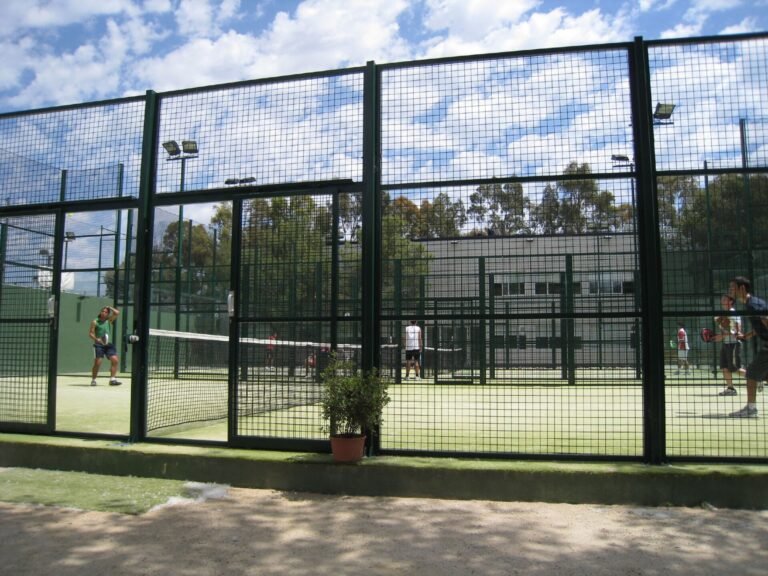
The third point is padel-specific, and it is about the surface under the lightness. Most padel is played on artificial turf dressed with silica sand, and the outsole pattern that manages that surface is the clay-style herringbone: the zigzag grooves let sand channel through instead of packing under the shoe, which is what keeps grip consistent through a long match. A light shoe with the wrong tread is a fast shoe that slides — so every card names its outsole pattern and its compound exactly as the maker or listing states it. The Babolat cards carry Michelin’s padel-specific rubber; the ASICS card carries an AHAR+ herringbone; the Mizuno card carries X10 carbon rubber; the Wilson card is built around a pivot-specific circular construction; the Head card’s outsole was developed with MONDO, the official turf provider of the World Padel Tour. Light gets you there; the tread decides what happens when you arrive.
Finally, the pivot. Padel’s signature movement is the 360-degree turn — the recovery spin after a net play, the rotation out of the back corner — and it loads the shoe rotationally rather than laterally. Makers answer this differently: Wilson builds a circular outsole construction for it, Head develops its tread with a turf manufacturer for multi-directional grip, Mizuno cuts D-Flex Grooves to let the forefoot rotate with the body. When a card names a pivot feature, it is naming the maker’s answer to the movement that defines padel footwork. Read the weight for speed, the lockdown for lunges, and the pivot line for everything in between — that is the complete lightweight purchase.
What a Fast Padel Player Should Check Before Buying
Weight figures: read the basis, then the number. No maker in this guide publishes a weight, so every figure is a retailer’s or buyer’s-guide figure — and the honest ones all carry a size. The Babolat Jet Premura 2’s 331 g is measured in a men’s EU 44.5; the Jet Tere 2 Clay’s 320 g in a size 42.5 EU; the Wilson Bela Pro’s 326 g is a buyer’s-guide figure with a retailer’s 288 g (size 42) alongside it; the ASICS Gel-Padel Pro 5’s 290 g and the Head Motion Pro’s 318 g are both women’s US 8.5 figures; the Jet Ritma’s 260 g is a women’s EU 39. Compare numbers only within the same size basis, and be suspicious of any figure that arrives without one.
Lateral stability: the lightness trade, stated per shoe. Padel lunges — the net attack, the low volley stretch — load the shoe sideways, and the lighter the shoe, the more deliberately the maker has to engineer the sideways answer. Babolat answers with Matryx and Matryx Evo uppers; Head answers with Lateral Control+, a reinforced sidewall the maker describes as preventing rollover on extreme moves; Wilson answers with the Kaos Chassis and 4D Support Chassis for torsional control; ASICS answers with the Trusstic System under the midfoot; Mizuno answers with its Wave plate dispersing impact energy. Each card states this tension plainly: what the shoe weighs, and what holds you on the lunge.
Herringbone grip: match the tread to the sand. On sand-dressed turf, the clay-style herringbone is the reference pattern — its grooves channel sand rather than skating on it. The Babolat outsoles are Michelin’s padel-specific rubber; the ASICS Gel-Padel Pro 5 runs an AHAR+ rubber herringbone that the listing calls out as specifically good for padel courts; the Mizuno runs X10 carbon rubber for traction and wear life; the Wilson runs Duralast, a high-density compound built for abrasion resistance. The Jet Tere 2 Clay is the specialist here: a clay-court herringbone for players whose courts run sandy or who play actual clay. Buy the tread for the surface you play most, then let the weight decide among the treads that fit.
Pivot and rotation: padel’s own movement. The recovery spin is the movement no tennis shoe is designed for, and it is where padel-specific outsoles earn their keep. Wilson’s circular outsole construction is the most explicit answer in this guide — rubber placed for pivoting and turning. Head’s outsole was developed with MONDO, the WPT’s official turf provider, for grip in all directions. Mizuno’s D-Flex Grooves are cut to transfer body movement in its natural direction, which is the rotational answer in foam and rubber. If your game is built on spins and recoveries rather than straight-line sprints, weight the pivot line as heavily as the weight figure.
Cushioning systems: learn the makers’ names. Every card names the cushioning exactly as its maker does, because that is the only language the specs are comparable in. Babolat: KPRS-X cushioning under the Jet Premura 2’s Matryx Evo build. Mizuno: full-length MIZUNO ENERZY foam over a Foam Wave plate. Wilson: R-DST+ for cushioning and rebound with a DF2 9 mm drop. ASICS: rearfoot GEL with a Trusstic midfoot. Head: DynaFoam, small air cells for a light, responsive midsole. A longer name is not a better foam — the Head and Babolat systems are simpler recipes in shoes built for speed, and that is a legitimate choice. Read cushioning as character (plush, firm, low, responsive) rather than quality.
The Picks: 7 Lightweight Padel Shoes Compared
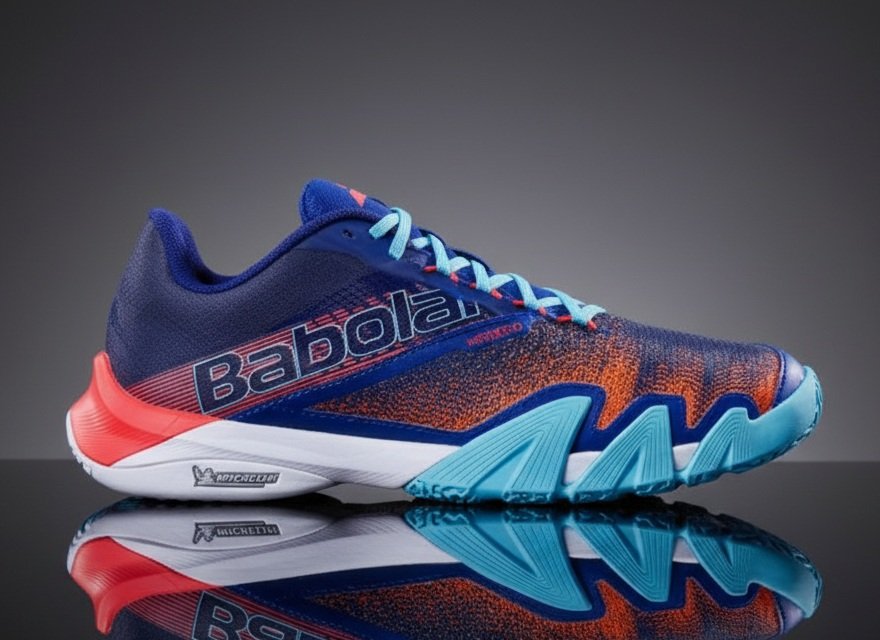
Babolat Jet Premura 2
The benchmark light padel shoe: 331 g of Matryx Evo and Michelin padel rubber — the shoe Juan Lebrón plays in, verified light on a stated size basis.
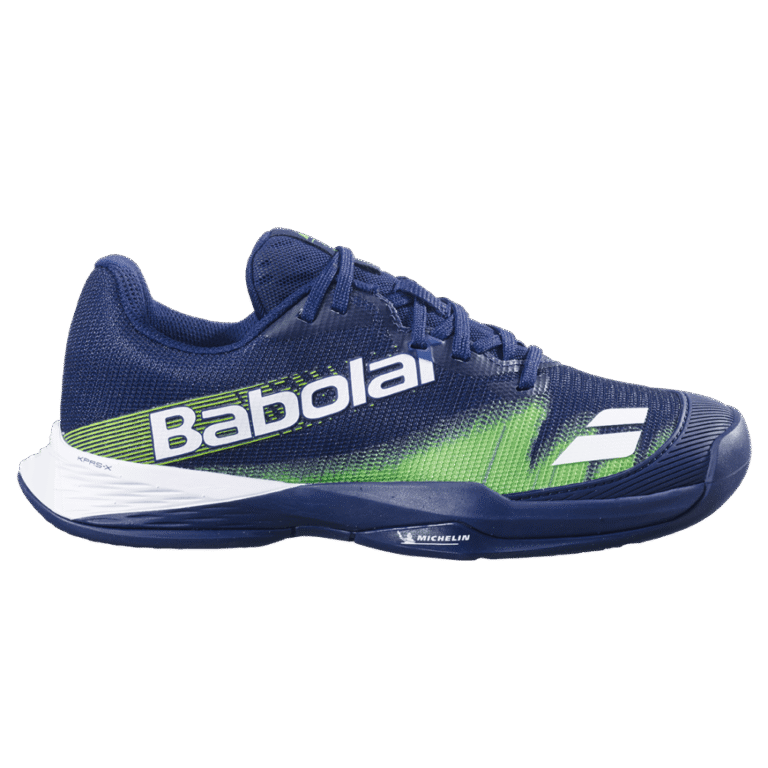
The Jet Premura 2 is the shoe this guide measures everything else against, and it earns the top card on the strength of its verification, not its reputation. Tennis Warehouse Europe lists it at 331 grams in a men’s EU 44.5 — a genuinely light figure for a padel shoe, stated on a size basis you can compare. Babolat’s own positioning, as carried by its retailers, is “now even lighter without compromising support”: the second generation keeps the Premura’s cushioning, flexibility and durability brief while cutting weight through the latest Matryx Evo upper, which uses lighter construction and material than the previous Matryx. Two large vents on the lateral and medial quarters plus a perforated insole handle breathability, so the lightness does not come at the cost of a hot, sealed shoe.
Underneath, the outsole is Michelin generative rubber designed specifically for padel — the Babolat–Michelin collaboration that has defined the brand’s court shoes for years — and the cushioning is Babolat’s KPRS-X. The lightness-vs-support tension here is the most favourable in the guide: at 331 g the Jet Premura 2 is light enough for the net-rushing game, but it is the heaviest shoe in this guide, and those extra grams are doing structural work — Matryx Evo wrapping the foot, Michelin rubber under it. It is also the shoe of Juan Lebrón, which matters less as an endorsement than as a data point: the world-class net game is played in a 331 g shoe, not a 260 g one. Buy the Jet Premura 2 if you want the safest fast-padel purchase: verified light, structurally honest, and the reference the rest of the guide is measured against.
Pros
- 331 g in EU 44.5 — verified light on a stated, comparable size basis
- Matryx Evo upper: Babolat’s lighter-construction technology, explicitly built to cut weight
- Michelin generative rubber outsole designed specifically for padel
- The most structurally complete shoe among the lightweights — support per gram is excellent
Cons
- Babolat publishes no weight; the figure is a retailer’s, on a stated size basis
- At 331 g it is the heaviest shoe in this guide — the 260–290 g cards are lighter still
- Players who want maximum cushioning softness should compare the Mizuno card
As an Amazon Associate we earn from qualifying purchases.
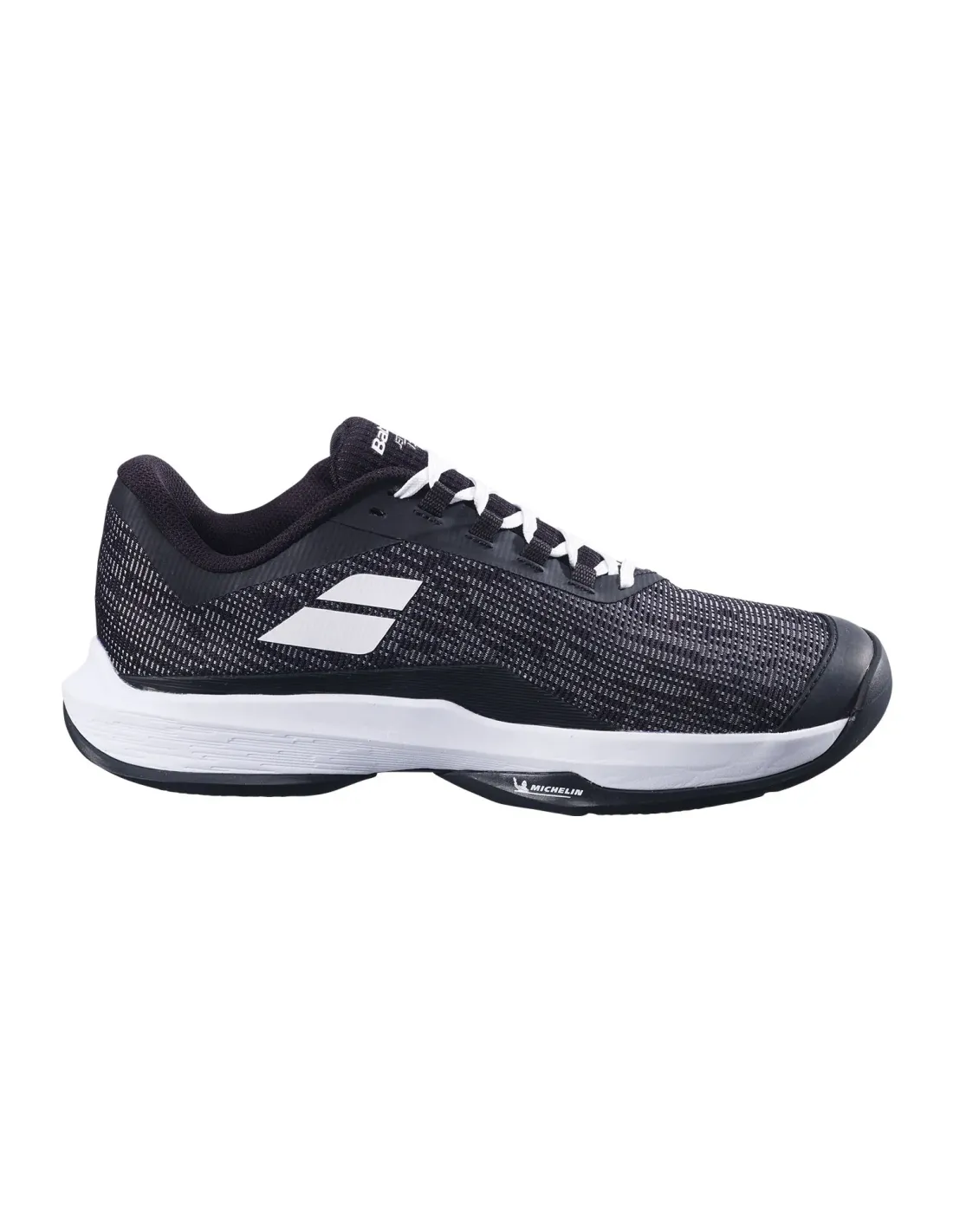
Babolat Jet Tere 2 Clay
The lightest shoe in Babolat’s range at 320 g — a clay herringbone for sandy and clay courts, in the fastest build Babolat makes.
Most light padel shoes are all-court shoes that happen to be light. The Jet Tere 2 Clay is a surface specialist that happens to be the lightest shoe Babolat makes: retailers list it at 320 grams in a size 42.5 EU and describe it as the lightest model in the range, built for the fast, agile player. The upper is a clean-lined breathable mesh — Babolat’s own lightness copy says the shoe is so light you feel at one with it on every move — and the outsole is the clay answer: a herringbone pattern in Michelin rubber that grips on clay and manages sand on dressed turf. For players whose home courts run sandy or who cross over to actual clay, this is the tread the rest of the guide’s all-court patterns are compared against.
The honesty line on this card is the specialisation itself. A clay herringbone is the right tool on clay and sand-dressed turf and a merely adequate one on clean, hard indoor courts — the deep grooves that channel sand have less to bite on a swept hard court. The Jet Tere 2 Clay also sits at the minimal end of Babolat’s cushioning story: lightness first, with less underfoot structure than the Jet Premura 2’s KPRS-X build. That is the trade, stated plainly: the fastest Babolat, on the most surface-specific outsole here. Buy it if your courts are clay or heavy-sand turf and your game is built on first steps — and buy the Premura 2 instead if your courts are clean hard courts and you want the all-surface answer.
Pros
- 320 g — the lightest model in Babolat’s range, per retailer listings
- Clay herringbone outsole in Michelin rubber: the specialist tread for clay and sandy turf
- Clean-lined breathable mesh upper — minimal material, maximum ventilation
- The fastest first step in the Babolat line-up
Cons
- Babolat publishes no weight; the 320 g figure is retailers’, on a stated size basis
- A surface specialist — less versatile than the all-court outsoles on clean hard courts
- Minimal build means less underfoot structure than the Jet Premura 2
As an Amazon Associate we earn from qualifying purchases.
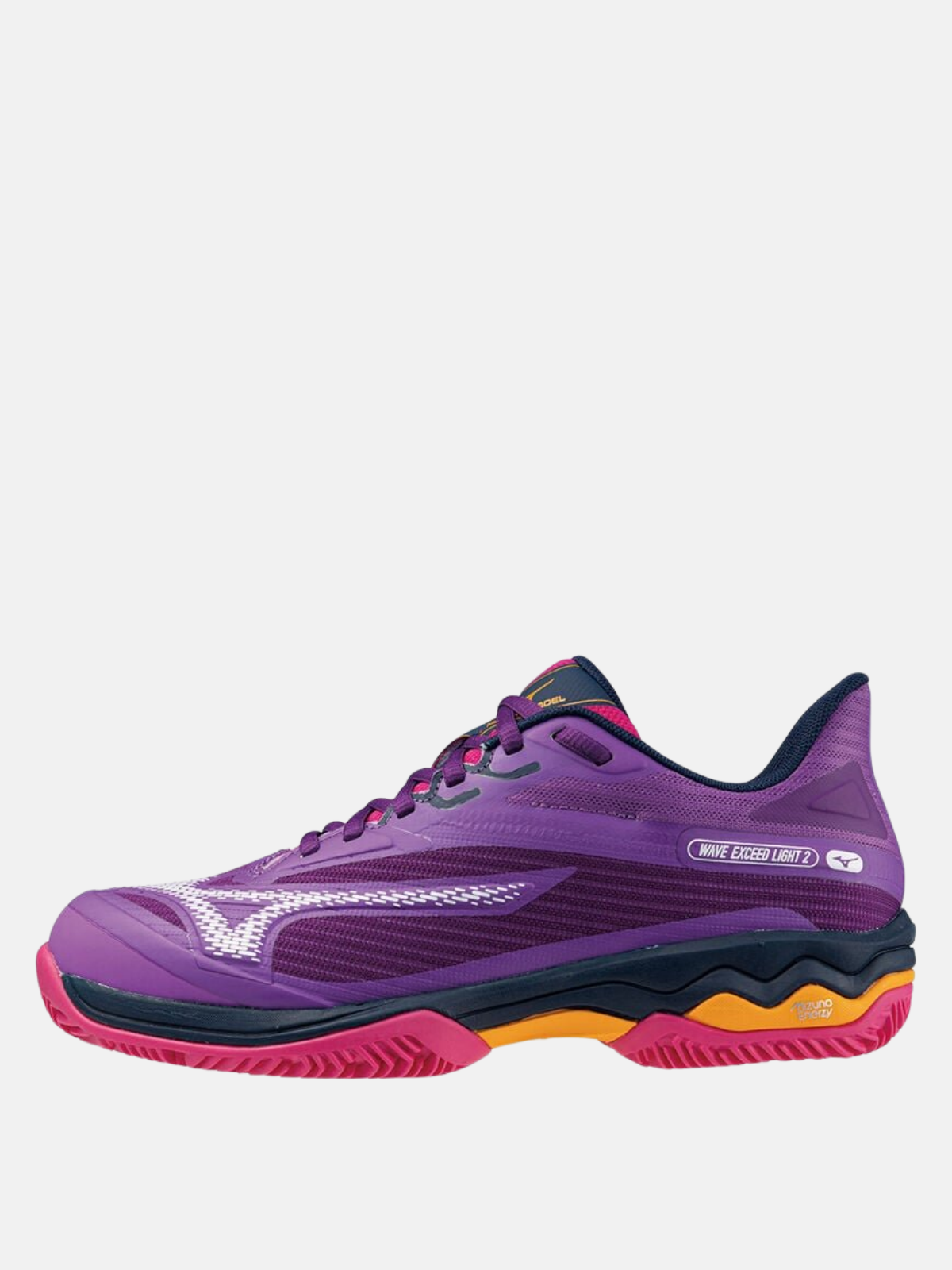
Mizuno Wave Exceed Light Padel
The soft ride among the lightweights: full-length Mizuno Enerzy foam over a Wave plate, X10 carbon rubber under it, around 290 g.
If the Babolat cards prove that light can be structural, the Mizuno proves that light can be soft. The Wave Exceed Light Padel runs Mizuno’s full cushioning stack in a lightweight build: MIZUNO ENERZY foam through the full length of the midsole for softness and energy return, with the Foam Wave plate underneath dispersing impact energy for stability — the classic Mizuno recipe, minus the grams. The outsole is X10, Mizuno’s carbon rubber, which the maker positions for traction at heel strike and long wear in the high-impact zones. Retail listings put the current build at 290 g; an independent buyer’s guide lists 325 g for the line — versions differ, the size bases are not identical, and the card prints both rather than picking the flattering one.
The padel-specific thinking shows in the details. D-Flex Grooves are cut into the forefoot to transfer body movement in its natural direction — Mizuno’s rotational answer, and a genuine pivot feature rather than a marketing line. Dura-Shield reinforces the high-wear zones, and the mesh-based upper keeps the build breathable and flexible. The tension on this card is the familiar one, tilted toward comfort: this is the plushest ride among the verified lightweights, which makes it the pick for players who want fast feet without a firm, low shoe — and the players who want the most direct court feel should look at the Babolat or Wilson cards instead. Buy the Wave Exceed Light if your lightweight priority is cushioning first, speed second.
Pros
- Full-length MIZUNO ENERZY with a Foam Wave plate: the softest cushioning among the lightweights
- X10 carbon rubber outsole for traction and wear life
- D-Flex Grooves: a genuine rotational/pivot feature in the forefoot
- Dura-Shield reinforcement in the high-wear zones
Cons
- Mizuno publishes no weight; figures vary by version (290 g retailer’s, 325 g buyer’s guide)
- The plushest ride here — not the pick for players who want a firm, low court feel
- Maximum cushioning philosophies trade some directness for comfort
As an Amazon Associate we earn from qualifying purchases.
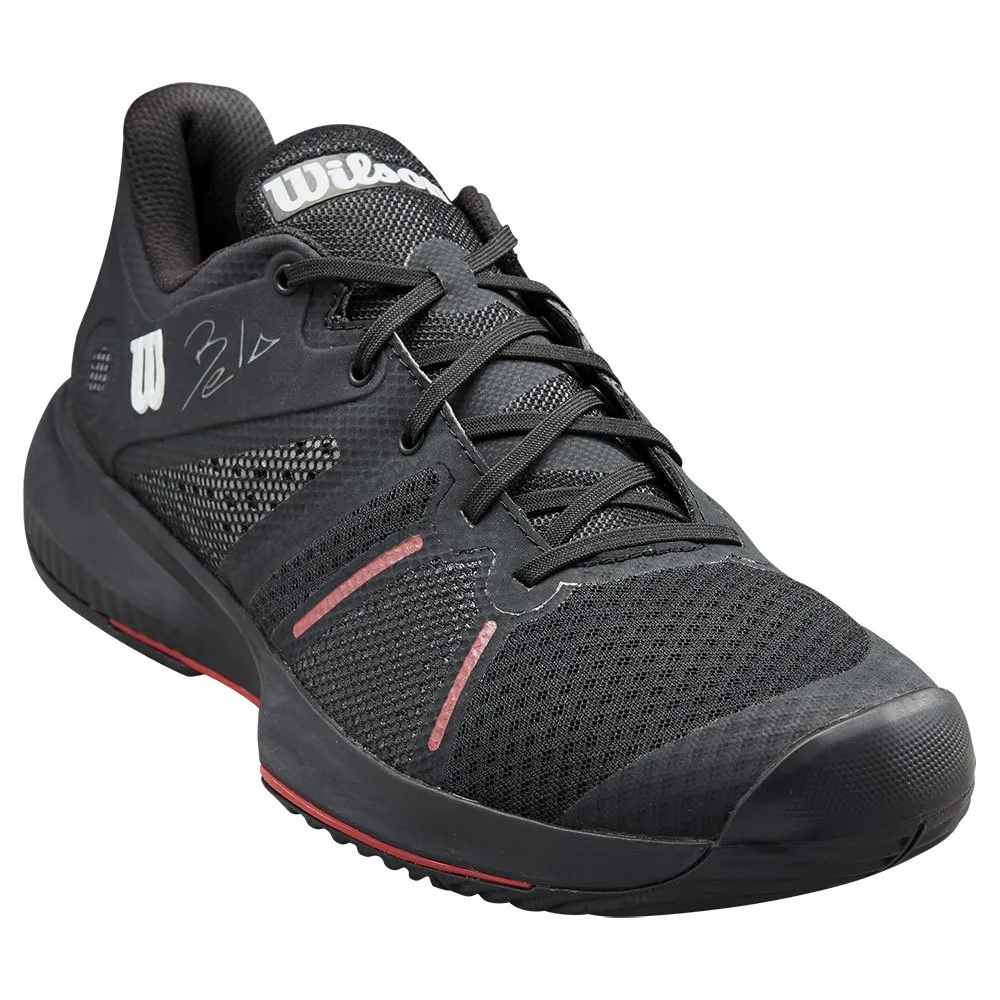
Wilson Bela Pro Padel
The pivot specialist: a circular outsole construction built for padel’s 360-degree turns, at 326 g — the shoe of Fernando Belasteguín.
No shoe in this guide is more explicit about padel’s signature movement. The Bela Pro’s outsole uses a circular construction with strategically placed rubber pieces, and the retailer’s technical description states the purpose outright: it enables optimal padel-specific movements and footwork — pivoting and turning. On a buyer’s-guide figure of 326 g (with a retailer’s Bela-line listing showing 288 g in a size 42 — Wilson publishes no weight, so both are printed), that makes it the most rotationally engineered lightweight here. The upper is Sensifeel 2.0, Wilson’s minimally layered engineered mesh, and the cushioning pairs R-DST+ — the maker’s cushioning-and-rebound recipe — with a DF2 9 mm drop for the compromise between comfort and quick performance.
Lateral stability comes from the chassis story: the Kaos Chassis enhances natural foot movement through a flexible arch while adding lateral support for torsional control, and the 4D Support Chassis runs heel to toe to limit foot torsion on pivot movements. Duralast, the high-density rubber compound, handles abrasion resistance and traction across surfaces, and an Ortholite insole sits underfoot. The association is Fernando Belasteguín’s — the shoe of choice on court for the padel legend, per the listings. The tension here is specialisation: this is the most pivot-built shoe in the guide, which is exactly right for the spin-and-recover game and merely very good for the straight-line sprinter. Buy the Bela Pro if your padel is built on turns.
Pros
- Circular outsole construction explicitly engineered for pivoting and turning
- Kaos Chassis plus 4D Support Chassis: the most complete torsional story here
- R-DST+ cushioning with DF2 9 mm drop and Duralast abrasion-resistant rubber
- The Belasteguín association — the legend’s shoe of choice on court
Cons
- Wilson publishes no weight; figures come from a buyer’s guide and a retailer’s listing
- Pivot-specialised — straight-line sprinters get less of the engineering they pay for
- Sensifeel 2.0’s minimal layering is a fit philosophy some feet will want to confirm in person
As an Amazon Associate we earn from qualifying purchases.
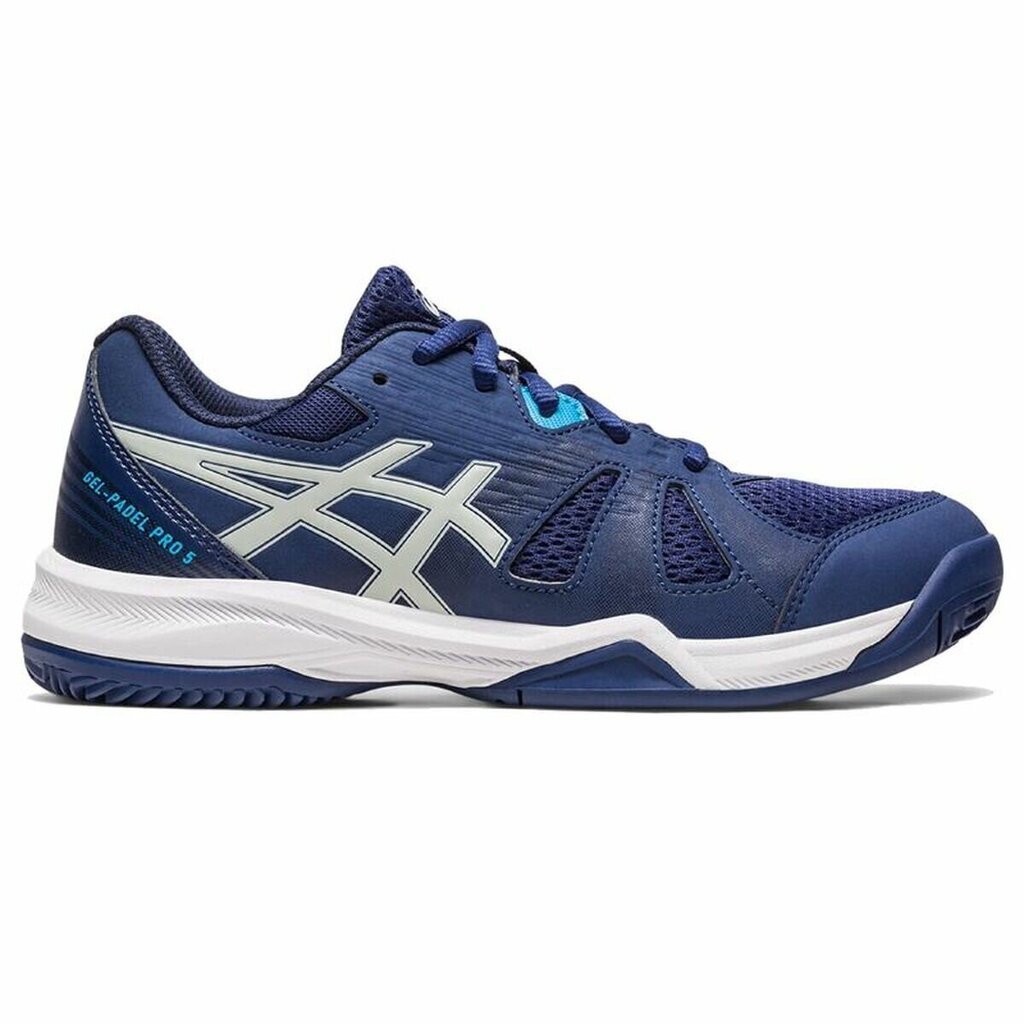
ASICS Gel-Padel Pro 5
The lightest stability recipe here: rearfoot GEL, a Trusstic midfoot and an AHAR+ herringbone outsole — 290 g of honest engineering.
Stability shoes are rarely light shoes — structure weighs something — which is what makes the Gel-Padel Pro 5’s verification interesting: 290 grams in a women’s US 8.5, listed by multiple retailers, for a shoe whose whole brief is support. The recipe is classic ASICS, translated to padel: GEL cushioning in the rearfoot for impact absorption, the TRUSSTIC System under the midfoot for lightweight stability during quick movement transitions, and an AHAR+ rubber outsole in a herringbone tread the listings call out as specifically good for padel courts. The upper pairs synthetic leather overlays with mesh inserts for airflow and targeted support. No maker publishes a men’s weight for this shoe, and the card will not invent one — the 290 g figure is women’s, stated as women’s.
The tension here is the most instructive in the guide: at 290 g this is lighter than the men’s 331 g benchmark, but on a smaller size basis — compare it honestly against the other women’s figures (Head’s 318 g, the Jet Ritma’s 260 g) rather than against the men’s cards. What the Gel-Padel Pro 5 offers that neither of those does is the stability-first brief: Trusstic under the midfoot, GEL under the heel, a herringbone built for the surface. Buy it if you want the lightest shoe in this guide that still leads with support — the fast player’s stability answer, not the stability player’s compromise.
Pros
- 290 g — the lightest stability-brief shoe verified in this guide
- Rearfoot GEL plus TRUSSTIC System: ASICS’s complete support recipe, translated to padel
- AHAR+ rubber herringbone outsole, called out specifically for padel courts
- Synthetic leather overlays with mesh: support where needed, airflow everywhere else
Cons
- ASICS publishes no weight; the 290 g figure is women’s US 8.5 — no men’s figure published
- A stability brief first — pure speed players should compare the Jet Ritma card
- Compare the figure against the other women’s figures, not the men’s cards
As an Amazon Associate we earn from qualifying purchases.
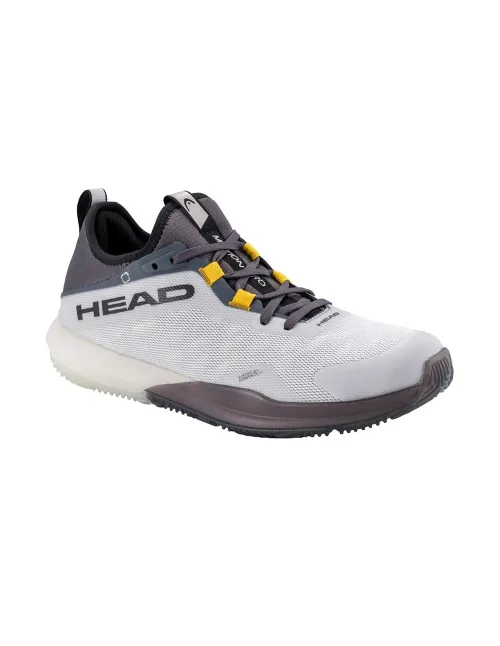
Head Motion Pro Padel
Light with real lateral lockdown: DynaFoam cushioning, Lateral Control+ sidewalls and a MONDO-developed outsole — 318 g, honestly stated.
This is the card that proves the guide’s honesty rule from the other direction. The Head Motion Pro Padel’s men’s figure — 378 g in a US 10.5 — is not light, and this guide will not pretend it is. The women’s figure — 318 g in a US 8.5 — is genuinely light, so the shoe is carded on that figure, plainly, with both numbers in the chips above. What earns the card beyond the number is the engineering: Head’s first shoe designed purely for padel, developed with its pro padel players, with a technology list that reads like a direct answer to the lightness-vs-support tension. DynaFoam is the midsole — small air cells for a light, responsive, comfortable ride. Lateral Control+ is a reinforced sidewall the maker describes as delivering outstanding lateral stability and helping prevent rollover on extreme moves. Drift Defense armours the toe and medial side against slides and toe drags, and the Cooling System ventilates 360 degrees through sole and upper.
The outsole deserves its own line: developed with MONDO, the official turf provider of the World Padel Tour, for grip in all directions — which is as close to a padel-specific traction credential as an outsole gets. A full elastic sock construction wraps the foot, and a ventilated 3D anti-torsion shank sits under the midfoot. The tension on this card is stated in the chips: light in the women’s build, mid-weight in the men’s — buy the 318 g figure’s shoe if you are buying women’s, and if you are buying men’s, know that you are buying the lockdown and the MONDO outsole rather than the lightness. Buy the Motion Pro Padel if lateral lockdown is your non-negotiable and you want it in the lightest build Head makes.
Pros
- 318 g women’s — genuinely light, with the men’s 378 g stated honestly alongside
- Lateral Control+ reinforced sidewall: the most explicit anti-rollover tech here
- DynaFoam midsole and 360° Cooling System: light, responsive, ventilated
- Outsole developed with MONDO, the WPT’s official turf provider
Cons
- Head publishes no weight; the men’s 378 g is mid-weight, not light — buy the women’s build for lightness
- Drift Defense and the sock construction are a snug fit philosophy — confirm in person if between sizes
- Players wanting the absolute lowest weight should compare the Jet Ritma card
As an Amazon Associate we earn from qualifying purchases.
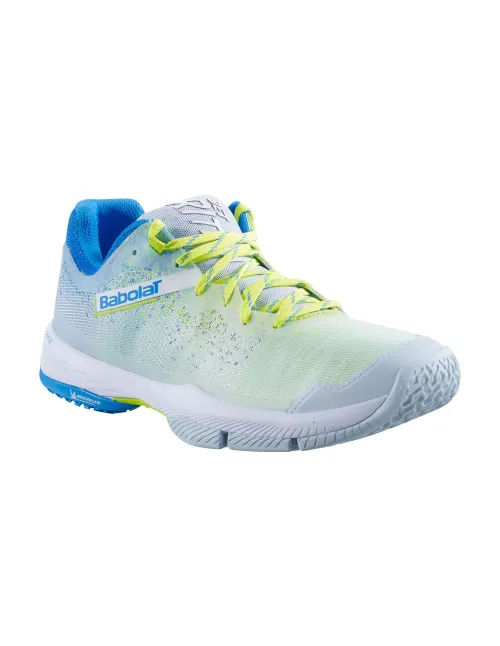
Babolat Jet Ritma
The lightest shoe verified in this guide — 260 g — and the first ultra-performance padel shoe designed specifically for women players.
Every lightweight guide has a number that anchors the bottom of the range, and in this guide it is 260 grams: the Babolat Jet Ritma in a women’s EU 39, per retailer listings. The Ritma is positioned as the first ultra-performance padel shoe designed specifically for women players — not a scaled-down men’s shoe but a women’s last and build from the start — with Matryx 2.0 in the upper and a Michelin sole underneath. At 260 g it undercuts everything else verified here by a real margin: 30 g under the Gel-Padel Pro 5, 58 g under the Head Motion Pro’s women’s figure. For the player whose whole game is first steps and net speed, that margin is the point of the card.
The tension, stated plainly: 260 g is achieved by building less shoe. The Ritma is a minimal, fast build — Matryx 2.0 wrapping the foot, Michelin rubber under it — and players who plant hard on every lunge will feel the difference against the Jet Premura 2’s 331 g of structure. This is also a women’s-specific shoe: the 260 g figure is on a women’s size basis, and the comparison that matters is against the other women’s figures here, not the men’s. Buy the Jet Ritma if you want the lightest verified padel shoe in this guide and your game is built on speed above all else — and buy the Gel-Padel Pro 5 instead if you want lightness with a stability brief attached.
Pros
- 260 g — the lightest weight verified in this guide, by a real margin
- Designed specifically for women padel players — a women’s last, not a scaled-down men’s
- Matryx 2.0 upper with a Michelin sole: Babolat’s fast-padel recipe
- The purest speed answer here for the net-rushing game
Cons
- Babolat publishes no weight; the 260 g figure is a retailer’s, on a women’s size basis
- Minimal build — hard planters will feel the missing structure versus the Premura 2
- Women’s-specific: compare against the other women’s figures, not the men’s cards
As an Amazon Associate we earn from qualifying purchases.
Side-by-Side: The Seven Lightweight Shoes at a Glance
Every weight below is printed with the honesty this guide keeps promising — a retailer’s or buyer’s-guide figure with its size basis, because no maker here publishes one. Compare figures only within the same size basis: the men’s-basis shoes against each other, the women’s-basis shoes against each other.
| Shoe | Weight (as stated) | Cushioning (maker-named) | Outsole | Pivot / stability feature | Best for |
|---|---|---|---|---|---|
| Babolat Jet Premura 2 | 331 g, EU 44.5 (retailer’s figure) | KPRS-X | Michelin generative rubber, padel-specific | Matryx Evo structural upper | Best overall lightweight |
| Babolat Jet Tere 2 Clay | 320 g, size 42.5 EU (retailers’ figures) | Lightweight mesh build | Clay herringbone, Michelin rubber | Minimal fast build | Best light clay-court pick |
| Mizuno Wave Exceed Light Padel | 290 g (retailer’s figure); 325 g (buyer’s guide) | MIZUNO ENERZY + Foam Wave | X10 carbon rubber | D-Flex Grooves | Best cushioned lightweight |
| Wilson Bela Pro Padel | 326 g (buyer’s guide); 288 g, size 42 (retailer’s listing) | R-DST+, DF2 (9 mm drop) | Duralast, circular construction | Circular pivot outsole; Kaos / 4D Support Chassis | Best pivot engineering |
| ASICS Gel-Padel Pro 5 | 290 g, US 8.5 women’s (retailers’ figures) | Rearfoot GEL | AHAR+ rubber herringbone | TRUSSTIC System midfoot | Best light women’s stability |
| Head Motion Pro Padel | 318 g, US 8.5 women’s / 378 g, US 10.5 men’s (retailers’ figures) | DynaFoam | MONDO-developed, multi-directional | Lateral Control+ sidewall; 3D anti-torsion shank | Best light lockdown |
| Babolat Jet Ritma | 260 g, size 39 EU women’s (retailer’s figure) | Matryx 2.0 fast build | Michelin sole | Minimal women’s-specific last | Lightest in the guide |
Lightweight Buying Guide: Five Checks Before You Pay
1. Compare weights only on the same size basis. A 260 g women’s EU 39 and a 331 g men’s EU 44.5 are not two points on one scale — they are different-sized shoes. The comparison that matters: on a men’s basis, the verified band here is 326–331 g; on a women’s basis, 260–318 g. Any listing that prints a weight without a size is giving you a number engineered to impress rather than inform. Ask for the basis, or treat the number as decoration.
2. Decide your side of the lightness trade before you shop. Every gram removed is structure not built: the 260 g Jet Ritma is the fastest shoe here and the least shoe to lean on; the 331 g Jet Premura 2 is the most complete shoe here and the heaviest of the lightweights. Neither is better in the abstract. If your game is net rushes and first steps, buy down the weight column. If your game is hard plants, deep lunges and long matches, buy up it — the Premura 2 and the Gel-Padel Pro 5 exist for exactly that player.
3. Match the outsole to your real surface. Sand-dressed turf wants the clay-style herringbone — the Babolat Michelin soles, the ASICS AHAR+ herringbone, the X10 rubber — because the grooves channel sand instead of skating on it. Clean hard indoor courts are more forgiving, which is where the Wilson Duralast and the Head MONDO-developed tread do their best work. The Jet Tere 2 Clay is the honest specialist: buy it for clay and heavy-sand turf, not as an all-court shoe that happens to be light.
4. Weight the pivot line if your game turns. Padel’s recovery spin loads the shoe rotationally, and the makers answer it differently: Wilson’s circular outsole construction is the most explicit pivot engineering here, Head’s MONDO-developed tread is built for multi-directional grip, and Mizuno’s D-Flex Grooves let the forefoot rotate with the body. If your highlights are spins and recoveries, read the pivot column of the table as carefully as the weight column — a light shoe that fights your rotation is slower than a heavier shoe that flows with it.
5. Remember that no maker publishes a weight — and read accordingly. Every figure in this guide is a retailer’s or buyer’s-guide figure, and the guide prints each one with its source and size basis. That is normal for padel, not a warning sign. What should warn you is a listing that prints a precise weight with no source and no size — or two listings for the same shoe with different numbers and no explanation. The makers’ silence on weight is exactly why this guide exists: to give you the numbers that do exist, labelled, instead of the numbers that don’t.
Frequently Asked Questions
How light is a genuinely light padel shoe?
On a men’s EU 44.5 / US 10.5 basis, the verified light band in this guide is 326–331 g — the Wilson Bela Pro Padel and the Babolat Jet Premura 2. On a women’s US 8.5 basis, it is 290–318 g — the ASICS Gel-Padel Pro 5 and the Head Motion Pro Padel — with the Babolat Jet Ritma at 260 g in a women’s EU 39 anchoring the bottom of the range. Anything in those bands, on a stated size basis, is genuinely light for padel. Anything much above 350 g on a men’s basis is a mid-weight shoe, whatever the marketing says.
Why do padel shoe weights always come with a size attached?
Because weight scales with size — a bigger shoe uses more material. A 260 g women’s EU 39 is not lighter engineering than a 331 g men’s EU 44.5; it is a smaller shoe. No maker in this guide publishes a weight at all, so every figure here is a retailer’s or buyer’s-guide figure, and the honest ones state the size they were measured in. Compare figures only within the same size basis, and treat any weight printed without a size as decoration.
Does a lighter shoe mean less lateral support?
It means the support has to be engineered more deliberately, not that it is absent. Lightness removes material, and material is what wraps the midfoot on lunges — so light shoes answer with structure instead of bulk: Babolat’s Matryx Evo, Head’s Lateral Control+ sidewall, Wilson’s Kaos and 4D Support chassis, ASICS’s Trusstic midfoot, Mizuno’s Wave plate. Each card in this guide states the trade honestly: what the shoe weighs, and what holds you on the lunge. The lightest shoe here is the fastest; the heaviest shoe here is the most complete. Buy your side of the trade.
What outsole pattern should a light padel shoe have?
For sand-dressed turf — where most padel is played — the clay-style herringbone: its zigzag grooves channel sand through instead of packing it under the shoe. The Babolat cards carry Michelin padel-specific rubber, the ASICS card an AHAR+ herringbone called out specifically for padel courts, the Mizuno card X10 carbon rubber. For pivots and 360-degree turns, look at the rotational answers: Wilson’s circular outsole construction, Head’s MONDO-developed multi-directional tread, Mizuno’s D-Flex Grooves. Match the tread to your surface first, then let weight decide among the treads that fit.
Are women’s padel shoes lighter than men’s?
The figures are lower, but that is mostly size, not engineering — a women’s US 8.5 is a smaller shoe than a men’s US 10.5, so it weighs less. The honest comparison is within each basis: 290–318 g on the women’s figures here, 326–331 g on the men’s. Two cards in this guide are women’s-specific builds rather than scaled-down men’s shoes: the Babolat Jet Ritma, designed from the start for women padel players, and the ASICS Gel-Padel Pro 5’s 290 g listing, which is a women’s figure with no published men’s equivalent.
Can I wear these light padel shoes on clay courts?
The Babolat Jet Tere 2 Clay is the card built for exactly that — a clay herringbone in Michelin rubber, and the lightest shoe in Babolat’s range at 320 g. The all-court herringbones here (the Premura 2’s Michelin padel sole, the Gel-Padel Pro 5’s AHAR+ herringbone, the Wave Exceed Light’s X10) handle sand-dressed turf well, which is the surface most padel courts are. True clay specialists should buy the clay tread rather than hoping an all-court pattern behaves like one — the grooves are cut for different jobs.
How do I read a weight figure when the maker publishes none?
Look for the two things that make a figure trustworthy: a source and a size basis. Every figure in this guide carries both — for example, 331 g in a men’s EU 44.5 from a retailer’s listing, or 326 g from an independent buyer’s guide. Be cautious of listings that print a precise weight with neither, and of two listings for the same shoe showing different numbers with no explanation. No maker in this guide — not Babolat, Mizuno, Wilson, ASICS or Head — publishes a padel shoe weight, so a figure without attribution is a guess wearing a lab coat.
The Verdict
If one shoe has to answer the lightweight question completely, it is the Babolat Jet Premura 2 — verified at 331 g on a stated size basis, with Matryx Evo structure and a Michelin padel-specific outsole: the most complete fast shoe here. But the honest verdict in a weight guide is that the best shoe is the one that matches your side of the lightness trade. Clay and sandy-turf players get the Babolat Jet Tere 2 Clay at 320 g. Cushioning-first speed gets the Mizuno Wave Exceed Light Padel. The spin-and-recover game gets the Wilson Bela Pro Padel and its pivot-built outsole. Stability-first speed gets the ASICS Gel-Padel Pro 5 at 290 g. Lockdown-first lightness gets the Head Motion Pro Padel. And the absolute lowest verified number — 260 g — belongs to the Babolat Jet Ritma, for the player whose game is first steps above all else.
Still weighing the wider field? Our pillar comparison of the best padel shoes covers the all-player flagships this guide deliberately avoids repeating, the best padel shoes for women guide owns the women’s lasts, beginners should start with their own guide, and the advanced players guide owns the top-tier purchase. Buy the weight that is actually published — with its size basis and its source, not just the number — and the shoe wall stops being a wall of hope and becomes seven clear answers.
How we built this guide: every weight above is a retailer’s or buyer’s-guide figure, labelled with its source and size basis, because no maker in this guide publishes a padel shoe weight. Four shortlist candidates failed verification and were dropped rather than padded in: the Joma T.Slam 2201 (380 g — not light), the Bullpadel Vertex Vibram 25V (no published weight), the Nox AT10 Genius (a racket, not a shoe) and the Adidas Adizero Ubersonic line (388 g men’s — heavier than everything carded). All technologies are named exactly as the makers state them. We do not publish prices, we make no durability or medical claims, and nothing here is presented as hands-on testing. Some links on this page are affiliate links: if you buy through them, AliShuttler may earn a commission at no additional cost to you. As an Amazon Associate we earn from qualifying purchases.